Why Is Lifting Equipment Reliable and Durable?
What makes lifting equipment reliable and durable is not one impressive component. It is the result of careful engineering, controlled manufacturing, disciplined inspection, and responsible use. A hoist may lift several tonnes every day, yet its dependability often rests on small details. These include correctly sized chains, sealed bearings, protected electrical systems, and accurately aligned brakes.
In practical maintenance work, technicians look for more than visible damage. They listen for unusual gearbox noise, examine worn hooks, measure chain elongation, and check whether limit switches respond correctly. These simple actions can reveal problems before a load begins to swing or drop. As lifting-equipment safety specialist Mark Bridger states, “Reliability is not a feature you buy; it is a condition you maintain.” That principle reflects the experience of many professionals across warehouses, construction sites, ports, and manufacturing plants.
Quality standards also matter. Reliable equipment should be designed with suitable safety factors, traceable materials, tested controls, and clear maintenance instructions. However, durability is never permanent. Even premium equipment can deteriorate under overloads, corrosive dust, poor storage, or neglected inspections. This is where the discussion becomes less comfortable. A strong machine does not excuse weak procedures.
It can still fail.
This article examines the practical features behind dependable lifting equipment. It considers design quality, material strength, operator training, inspection routines, and maintenance records. The goal is not to promise perfect performance. Instead, it is to understand how reliable performance is built, monitored, and sometimes lost.
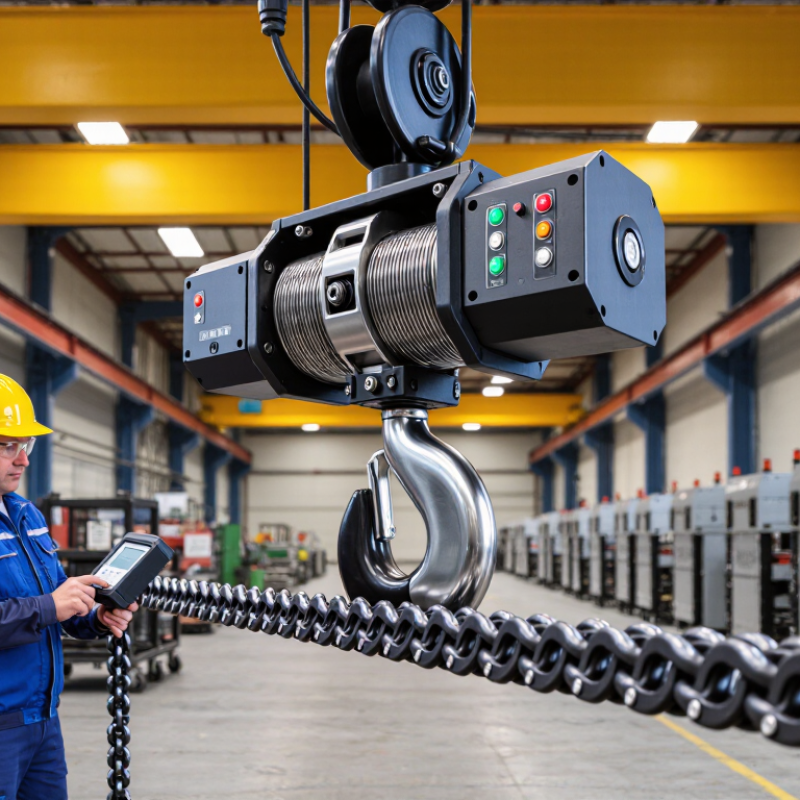
Lifting equipment includes hoists, cranes, slings, jacks, and lifting accessories. These tools move or support heavy loads in controlled ways. Reliability means performing the intended task predictably, within the rated capacity and operating conditions. It does not mean the equipment can never fail. That distinction matters.
In practical inspections, small details often reveal reliability. A frayed sling, bent hook, unusual noise, or leaking cylinder deserves immediate attention. Qualified personnel should check load charts, safety devices, connection points, and inspection records. Operators also need training and clear communication during each lift. A reliable machine responds smoothly and stops when required. It should not surprise the person controlling it.
Durability depends on material quality, structural design, maintenance, and the working environment. Dust, moisture, vibration, and repeated loading gradually change equipment performance. Regular lubrication can reduce wear, but it cannot repair a cracked component. I have found that maintenance schedules are sometimes treated as paperwork rather than protection. That is a costly mistake. Good records show when parts were inspected, adjusted, or replaced. They also help technicians identify repeated problems instead of hiding them. Even well-designed equipment needs honest inspection and careful use. Reliability grows from both engineering and daily discipline.
Lifting equipment includes cranes, hoists, hooks, wire ropes, slings, and related components used to raise and move loads. Reliability depends on using equipment within its rated capacity, carrying out inspections, and correcting defects before they cause failure.
The chart shows the inspection intervals commonly defined for overhead lifting equipment: frequent inspections may range from daily to monthly, while periodic inspections may range from monthly to annually. The exact interval should reflect equipment design, operating severity, frequency of use, and applicable safety requirements.
Reference basis: U.S. OSHA 29 CFR 1910.179 inspection guidance. Intervals are shown as days for comparison.
Reliable lifting equipment begins with material selection, not appearance. The World Steel Association’s World Steel in Figures 2024 reports 1.89 billion tonnes of crude steel production in 2023. This scale reflects steel’s central role in load-bearing applications. High-strength alloy steel can resist tension, bending, and repeated loading when properly specified. However, stronger steel does not automatically create safer equipment.
Engineers assess rated load, impact forces, fatigue cycles, and local stress concentrations. ISO 4301-1 classifies lifting machinery by total working cycles and load spectrum. This approach prevents a short, heavy lift from being treated like continuous industrial service. Thick plates help, but smooth weld transitions and reinforced connection points matter just as much.
In field inspections, corrosion around weld toes deserves close attention. Moisture can enter narrow gaps and reduce effective thickness. Protective coatings slow this process, while drainage holes prevent trapped water. ASME B30.20 and ISO 9927-1 emphasize inspection, marking, and maintenance practices for lifting accessories. These standards support durable design, but they cannot replace judgment on site. Operators may overload equipment, ignore unusual sounds, or trust an old inspection record. That human factor remains difficult to engineer away.
Safety systems are central to reliable lifting equipment because they control small failures before they become serious events. A limit switch can stop an overloaded hoist. A load indicator can expose an unsafe lift before the beam bends. Guarding, emergency stops, interlocks, and brake monitoring add separate layers of protection. These details matter most in dusty workshops, where warning labels are easily ignored.
The International Labour Organization estimated 2.93 million work-related deaths globally in 2019, including 330,000 fatal accidents. Its report, A Call for Safer and Healthier Working Environments, shows why prevention must be built into daily operations. In the United States, the Bureau of Labor Statistics recorded 5,283 fatal work injuries in 2023. Material movement remains a high-risk activity, especially when suspended loads, poor visibility, and rushed decisions combine. Safety systems cannot remove every hazard. They can reduce exposure time and limit the consequences of human error.
Inspection is equally important. Under the UK’s Lifting Operations and Lifting Equipment Regulations, thorough examinations identify worn ropes, damaged hooks, brake defects, and structural cracks. A practical inspection may find a flattened wire rope beside an otherwise clean machine. That is easy to miss. It should not be. Data logs also help engineers detect repeated overload alarms or abnormal stopping distances. Yet no system is perfect. A checklist can become theatre when workers sign it without looking closely. Real reliability depends on trained operators, competent examiners, clear maintenance records, and the willingness to stop a lift when something feels wrong.
Reliable lifting equipment begins with disciplined quality control, not attractive design alone. Engineers inspect steel, welds, hooks, chains, and control systems before assembly. Material certificates help confirm strength and composition. Dimensional checks also prevent small errors from becoming dangerous movement.
Testing must reflect real working conditions. Technicians perform proof-load tests and examine deformation, noise, braking response, and alignment. Repeated load cycles can reveal fatigue that a single inspection may miss. Sensors may record force changes during lifting. These records support traceability and help maintenance teams make informed decisions.
No test predicts every site condition. Dust, uneven floors, poor storage, or rushed operation can still reduce service life. That limitation deserves honest attention. Experienced inspectors should review results, question unusual readings, and document corrective actions. A passed test is evidence, not a permanent guarantee.
Tips: Check inspection records before use. Never ignore unusual vibration, cracking, or delayed braking. Train operators to report small changes early. Keep equipment clean, lubricated, and stored away from moisture. Schedule testing according to workload, environment, and applicable safety requirements.
Reliable lifting equipment is not simply strong steel and a powerful motor. Its service life depends on disciplined inspection, accurate records, and timely maintenance. A small crack near a weld can expand under repeated loading. A dry bearing can overheat during one busy shift. These details are easy to miss.
The UK Health and Safety Executive recorded 138 worker fatalities in 2023/24. This figure covers all workplace sectors, not lifting equipment alone, but it shows why control measures matter. Under LOLER guidance, lifting equipment generally requires thorough examination every 12 months. Equipment used to lift people, and lifting accessories, usually require examination every six months. A competent examiner should also set shorter intervals when corrosion, heavy use, or harsh environments increase risk.
Inspection should be practical, not only paperwork. Technicians can check hooks for throat opening, chains for stretched links, and wire ropes for broken strands. Load-test results, repair dates, and defect photographs create useful evidence. ISO 9927-1 also supports structured inspection practices for cranes and lifting equipment. Maintenance teams should compare findings across inspection reports. Repeated overheating may indicate poor alignment, not only worn grease. No checklist is perfect. A missed grease point or rushed visual check can still shorten equipment life. Operators should report unusual noise, jerky movement, or slow braking immediately.
| Equipment or Component | Inspection Frequency | Key Inspection Points | Recommended Maintenance Action | Service-Life Benefit | Remove from Service When |
|---|---|---|---|---|---|
| Wire Rope | Before each shift; detailed examination at intervals defined by the applicable standard and equipment instructions | Broken wires, corrosion, kinking, crushing, bird-caging, diameter reduction, and damaged end connections | Clean and lubricate with a compatible rope lubricant; protect it from moisture, dirt, sharp edges, and improper spooling | Reduces corrosion and internal wear while helping prevent fatigue-related failure | When damage, deformation, corrosion, or wear exceeds the limits specified by the applicable standard or manufacturer |
| Hooks and Latches | Before each use; periodic thorough examination according to the inspection plan | Cracks, twisting, throat opening, excessive wear, latch operation, and hook-seat condition | Keep the hook aligned with the load; lubricate pivot points where permitted; replace damaged latches and hooks | Prevents misalignment, shock loading, and accidental disengagement during lifting | If the hook is cracked, visibly twisted, excessively opened, or the safety latch does not function correctly |
| Chain Slings | Before each use; periodic inspection based on operating severity and legal requirements | Stretched, bent, gouged, or worn links; corrosion; damaged master links; identification and rated capacity markings | Store dry and off the floor; clean contaminants; do not weld, heat, or make unauthorized repairs | Limits link fatigue and corrosion, preserving the sling’s load-bearing capability | When links are cracked, bent, excessively worn, elongated, corroded, or otherwise outside allowable limits |
| Webbing Slings | Before each use; periodic competent-person inspection | Cuts, burns, chemical damage, abrasion, melted fibers, damaged stitching, stretched sections, and missing labels | Keep away from sharp edges and incompatible chemicals; use protective sleeves; store clean, dry, and away from sunlight | Protects synthetic fibers from abrasion, heat, ultraviolet exposure, and chemical degradation | When load-bearing fibers or stitching are cut, burned, chemically damaged, or unreadable identification prevents verification |
| Brakes and Load-Holding Mechanisms | Functional check before operation; planned inspection and adjustment at scheduled intervals | Load drift, unusual noise, overheating, delayed stopping, oil contamination, and abnormal wear | Inspect friction surfaces and adjustment settings; replace worn parts; never exceed the rated load | Maintains controlled stopping and secure load holding, reducing heat and component stress | If the load slips, the brake fails to hold, stopping performance changes, or overheating is observed |
| Gearboxes and Bearings | Routine visual and operational checks; lubrication and condition monitoring according to the maintenance schedule | Abnormal noise, vibration, temperature, oil leakage, loose fasteners, and contamination | Use the specified lubricant; maintain correct levels; correct alignment and replace seals when required | Reduces friction, heat, pitting, and premature bearing or gear failure | If vibration, temperature, noise, leakage, or gear damage indicates unsafe operating condition |
| Hydraulic Systems | Before operation; periodic inspection of hoses, fittings, valves, and cylinders | Leaks, damaged hoses, abrasion, bulges, corroded fittings, pressure loss, and uncontrolled movement | Replace damaged hoses and seals; keep hydraulic fluid clean; relieve pressure before maintenance | Prevents contamination-related wear, pressure loss, and sudden loss of load control | If a hose is damaged, a fitting leaks, pressure is unstable, or the load moves unexpectedly |
| Electrical and Control Systems | Pre-use function test; periodic inspection by qualified personnel | Emergency stop, pendant controls, limit switches, wiring, grounding, warning devices, and control response | Keep controls clean and dry; repair damaged cables; test safety devices and do not bypass interlocks | Reduces unintended movement, electrical faults, and damage caused by incorrect travel limits | If any emergency stop, limit switch, control, cable, grounding system, or warning device fails |
| Structural Frame and Fasteners | Routine visual inspection; detailed examination after overload, impact, modification, or unusual event | Cracks, corrosion, deformation, loose bolts, damaged welds, rail alignment, and foundation condition | Clean and control corrosion; tighten or replace fasteners according to specifications; obtain qualified assessment of welds | Preserves structural strength and reduces fatigue caused by looseness, misalignment, and corrosion | If cracks, permanent deformation, severe corrosion, damaged welds, or loose critical fasteners are found |
| Inspection Records and Load Information | Updated after every inspection, repair, defect, or significant operating event | Inspection date, inspector, findings, corrective action, rated capacity, repairs, and next due date | Use a traceable log; close defects before returning equipment to service; retain examination records as required | Creates maintenance history, supports trend analysis, and prevents missed inspections or repeated defects | When inspection status, rated capacity, or repair history cannot be verified |
It includes hoists, cranes, slings, jacks, and lifting accessories. These tools move or support heavy loads.
Reliability means predictable performance within rated capacity and operating conditions. It does not mean equipment can never fail.
Watch for frayed slings, bent hooks, unusual noise, leaking cylinders, and cracked parts. Stop the lift.
Operators need training, clear communication, and careful control. They should check load charts before moving a suspended load.
Limit switches, load indicators, guards, emergency stops, and brake monitoring create protective layers. They can limit human error.
No. Lubrication reduces wear, but it cannot repair a crack or replace a damaged component.
Inspect ropes, hooks, brakes, connection points, safety devices, and structural parts. A flattened wire rope still matters.
Records show when parts were inspected, adjusted, or replaced. They can reveal repeated overload alarms and stopping problems.
No checklist can guarantee safety. Signing without looking closely is only paperwork, and that is a costly mistake.
Stop the lift and report the concern. A clean machine can still hide a serious defect.
Lifting equipment is designed to move and support heavy loads safely, and its reliability depends on more than lifting capacity alone. What makes lifting equipment reliable and durable is the combination of strong materials, careful structural design, and stable manufacturing standards. High-quality metals and properly engineered frames help the equipment resist wear, deformation, and repeated loading over time. Balanced components and appropriate load distribution also reduce unnecessary stress during operation.
Safety systems play an important role by limiting overloads, controlling movement, and helping prevent unexpected failures. Consistent quality control, performance testing, and functional inspections ensure that each component operates as intended before the equipment is used. However, long service life also depends on regular inspection and maintenance. Checking critical parts, identifying early signs of wear, lubricating moving components, and replacing damaged elements can prevent minor issues from becoming serious problems. Together, sound design, testing, safety measures, and responsible maintenance allow lifting equipment to perform reliably in demanding working conditions.

Anugenix Lift