Lifting technologies play a crucial role in various industries. Understanding them is essential for optimizing efficiency and safety. "What is the difference between various lifting technologies?" is a question often posed by industry professionals. Dr. Emily McKenzie, a leading expert in lifting engineering, emphasizes, "Each lifting technology has unique attributes that significantly impact performance."
Compressed air, electric-powered systems, and hydraulic lifts are just a few of the technologies available. Each comes with its benefits and limitations. For example, hydraulic lifts are known for their high load capacity. They can handle heavy weights effortlessly, making them ideal for construction sites. In contrast, electric lifts offer precision and speed, suitable for smaller operations.
However, choosing the right technology can be challenging. Many factors must be considered, such as load requirements and operating environment. The differences between these systems can be subtle yet significant. Without careful analysis, mistakes can happen. Ultimately, understanding the nuances of each lifting technology is key to making informed decisions. With the right knowledge, potential risks can be minimized, ensuring safer operations.
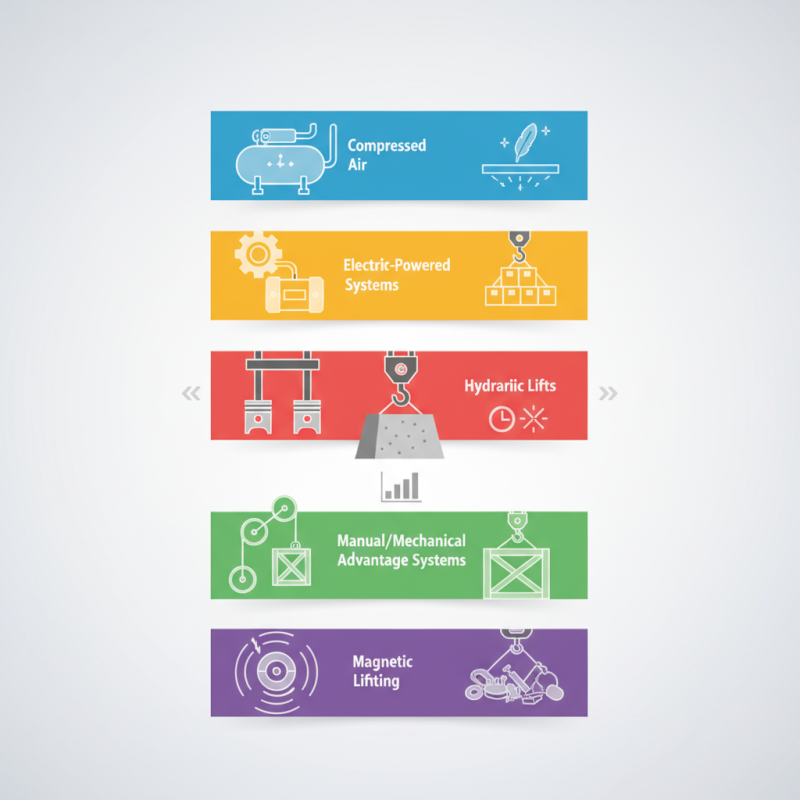
Overview of Lifting Technologies in Modern Industry
Lifting technologies play a crucial role in modern industry. They impact sectors like construction, manufacturing, and logistics. According to a 2022 report from the International Lifting Equipment Association, the global lifting equipment market is estimated to reach $80 billion by 2025. This remarkable growth highlights the importance of efficient lifting solutions.
One significant technology is the electric hoist. It offers speed and precision in material handling. Electric hoists can lift heavy loads with ease, improving productivity. However, they may require frequent maintenance. Another technology, hydraulic lifts, use fluid power for lifting. They excel in heavy-duty applications but can be costly to operate. A 2023 data analysis indicates that hydraulic systems account for 30% of lifting solutions in heavy industries.
Overhead cranes are also essential. They provide high load capacities and can operate in tight spaces. Yet, they involve complex installation and safety protocols. Safety remains a key concern. A report from OSHA shows that improper use of lifting technologies results in thousands of worker injuries annually. This data emphasizes the need for proper training and adherence to safety standards.
Hydraulic Lifting Systems: Mechanism and Applications
Hydraulic lifting systems involve the use of fluid dynamics to lift heavy loads. These systems utilize hydraulic fluid, often oil, to create pressure. This pressure acts on a piston within a cylinder, enabling the lifting mechanism to function efficiently. The simplicity and effectiveness of this design make it a popular choice in various industries, including construction and manufacturing.
These systems are renowned for their ability to lift significant weights with minimal effort. They are often used in car repair shops and warehouses. Operators can manage heavy items effortlessly. However, relying solely on hydraulic systems can have drawbacks. Hydraulic leaks can occur, causing safety hazards. Maintenance is crucial to prevent these issues, as neglect may lead to catastrophic failures. Understanding the risk factors involved with hydraulic systems is paramount for safety.
Applications stretch across diverse sectors, from automotive to aerospace. The versatility of hydraulic lifting systems allows them to adapt to different tasks. They can be customized for specific needs, which increases their efficiency. Yet, this flexibility also requires thorough understanding and expertise. Operators must be trained to navigate potential complications. Lack of knowledge can lead to operational inefficiencies or accidents.
Electric Lifting Devices: Efficiency and Use Cases
Electric lifting devices have transformed various industries with their efficiency and versatility. These devices are predominantly used in warehouses, construction sites, and factories. They provide a safer, more efficient way to lift heavy materials while minimizing the risk of injury. Workers can now complete tasks faster, using less physical force.
However, there are challenges that come with electric lifting technologies. For instance, training is essential for safe operation. Improper use can lead to accidents or damage to materials. Furthermore, heavy reliance on electricity can result in downtime during outages. Maintenance and inspection are crucial to ensure continued functionality.
In terms of use cases, electric lift devices are favored for precise lifting tasks. They excel in settings requiring repetitive motions, like sorting and stacking. However, their use might be limited in remote areas lacking reliable power sources. This gap highlights the need for hybrid solutions that combine electric and manual lifting methods.
Pneumatic Lifting Solutions: Benefits and Limitations
Pneumatic lifting solutions offer a unique approach to lifting heavy loads. They utilize compressed air to move equipment or materials, making them widely used in industrial settings. This method is efficient for handling bulky items. However, it also presents several limitations that users must consider.
One significant benefit is their speed. Pneumatic systems can lift and lower loads rapidly, increasing productivity in busy environments. Additionally, they require less maintenance than hydraulic systems, as there are fewer moving parts that can wear out. Pneumatic lifts operate in various environments, including hazardous areas where electrical equipment cannot function safely.
Despite these advantages, there are notable drawbacks. The reliance on compressed air limits efficiency in remote locations without an air supply. Additionally, pneumatic systems can offer less precision in load control compared to electric options. Users often encounter challenges with air leaks, which can reduce lifting capacity and reliability. Evaluating these factors is essential for those considering pneumatic lifting solutions.
Top 5 Lifting Technologies and Their Key Differences
| Lifting Technology |
Key Benefits |
Limitations |
Ideal Use Cases |
| Hydraulic Lifting |
High load capacity, precise control |
Requires maintenance, potential hydraulic fluid leaks |
Construction, automotive repair |
| Pneumatic Lifting |
Fast operation, low maintenance |
Lower load capacity, requires compressed air |
Assembly lines, warehouses |
| Electric Lifting |
User-friendly, consistent lifting power |
Higher energy consumption, dependency on power supply |
Factories, logistics |
| Mechanical Lifting |
Simple operation, durable |
Manual effort required, slower operation |
Workshops, small-scale lifting |
| Magnetic Lifting |
No physical contact, quick setup |
Limited to ferrous materials, may require power |
Metal fabrication, scrap yards |
Comparative Analysis of Lifting Technologies: Key Distinctions
Lifting technologies have evolved significantly. Each type has distinct advantages and applications. For example, according to a report by the International Association of Lifting Technology, crane systems dominate the market, making up about 40% of lifting equipment sold globally. Their versatility allows for a wide range of tasks, from construction to manufacturing.
In contrast, hoists offer precision lifting. They account for approximately 25% of the market share. These devices excel in confined spaces and heavy loads. However, they may lack mobility, making them less suitable for some applications. Similarly, forklifts are widely used, representing roughly 20% of the industry. They combine lifting and transportation, boosting efficiency in warehouses.
Tip: When choosing lifting technology, assess the environment where it will be used. Understanding specific needs leads to better choices. Regular maintenance is crucial for safety and efficiency.
Hydraulic lifts, while popular, introduce complexity. Their systems can be prone to failures if not properly monitored. Due diligence is essential in selecting the right lift, weighing factors like load capacity, safety features, and ease of use. Consider regular training for operators to minimize risks.
Top 5 Lifting Technologies: Comparative Analysis
FAQS
: They are used mainly in warehouses, construction sites, and factories for lifting heavy materials.
They minimize the risk of injury by reducing physical force needed to lift heavy items.
Training is essential for safe operation, as improper use can lead to accidents.
Heavy reliance on electricity means outages can interrupt functionality.
They are favored for precise lifting tasks and repetitive motions like sorting and stacking.
They depend on compressed air, which can be problematic in remote areas without an air supply.
They can rapidly lift and lower loads, boosting productivity in busy environments.
They require less maintenance due to fewer moving parts that can wear out.
They often offer less precision in load control compared to electric alternatives.
Air leaks can reduce lifting capacity and reliability, challenging overall effectiveness.
Conclusion
The article "Top 5 Lifting Technologies and Their Key Differences" provides a comprehensive overview of modern lifting technologies utilized in various industries. It delves into hydraulic lifting systems, which are known for their robust performance and wide range of applications, and electric lifting devices, which offer efficiency and versatility in operations. Additionally, pneumatic lifting solutions are discussed, highlighting their unique benefits and inherent limitations.
Furthermore, the article presents a comparative analysis to address what is the difference between various lifting technologies, emphasizing their key distinctions in terms of mechanisms, efficiency, and use cases. By understanding these differences, industries can make informed decisions on the most suitable lifting technology to meet their specific needs, ensuring optimal performance and safety in their operations.

 Anugenix Lift