In an era where environmental concerns are crucial, how sustainability impacts lifting equipment development is a major focus for industry leaders. According to John Smith, a renowned expert in lifting technology, "The future of lifting equipment lies in our ability to innovate sustainably." This perspective highlights the pressing need for manufacturers to adopt eco-friendly practices.
Innovations in lifting equipment now prioritize energy efficiency and reduced carbon footprints. Many companies are investing in electric lifts and advanced materials that minimize waste. These changes illustrate a significant shift towards sustainability-driven designs. However, adapting to these standards is not easy for everyone. Companies must navigate challenges in cost and technology.
The path to sustainable equipment also involves learning from failures. Some companies rush into development without thorough testing, leading to setbacks. Continuous improvement is essential in this evolving landscape. Embracing sustainability is a journey that demands resilience and commitment. By doing so, the industry ensures it meets both current needs and future demands.
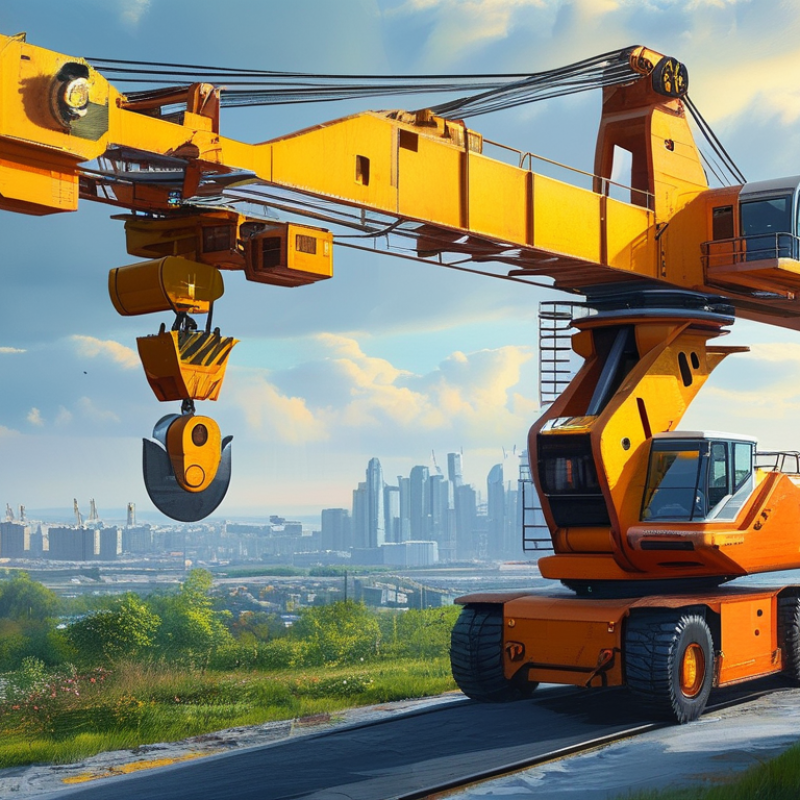
Sustainability is becoming increasingly vital in the lifting equipment industry. Reportedly, by 2025, over 80% of construction companies will prioritize sustainability in their operations. This shift is not just a trend; it is a necessity driven by environmental concerns and economic benefits. Green practices, such as using recycled materials, can significantly reduce waste and costs.
Companies adopting sustainable methods often see substantial returns. According to industry studies, organizations that implement eco-friendly practices can reduce operating costs by up to 30%. This improvement boosts efficiency and enhances their market competitiveness. A focus on sustainability also caters to a growing consumer base that values eco-conscious products.
Tip: Regularly assess your lifting equipment’s energy efficiency. Small adjustments can lead to significant savings.
Integration of electric and hybrid models is on the rise, highlighting a transition from traditional diesel machines. Data shows that electric cranes emit 30% less CO2 compared to their fossil fuel counterparts. However, the initial investment in sustainable options can be a hurdle. Yet, the long-term benefits often outweigh these upfront costs.
Tip: Consider collaborating with manufacturers committed to sustainability. Their expertise can guide you toward eco-friendly solutions.
: Eco-friendly lifting equipment uses greener materials and optimizes energy efficiency for sustainability.
They reduce energy consumption and lower emissions during manufacturing, benefiting the environment.
Not always. Some eco-friendly options struggle to meet traditional performance standards.
Research materials and sourcing practices; evaluate energy efficiency within your operations.
Regulations shape sustainability standards, making compliance essential for market competitiveness.
Manufacturers often face high initial investments and lack of knowledge in adopting sustainable practices.
Smart equipment monitors energy use and suggests improvements, promoting better efficiency.
Yes, training is critical as many companies report insufficient knowledge of sustainable protocols.
Energy-efficient equipment can reduce operational costs by up to 30%.
Balancing cost-effectiveness with sustainability can be a significant hurdle for many manufacturers.
The article delves into how sustainability impacts lifting equipment development by emphasizing its growing importance in the industry. It highlights current trends in eco-friendly design and manufacturing practices, showcasing innovative technologies that facilitate sustainable operations. As environmental concerns rise, the lifting equipment sector is increasingly adopting practices that minimize ecological footprints while enhancing operational efficiency.
Furthermore, the article addresses the regulatory impacts on sustainability standards, which are shaping market dynamics and influencing consumer preferences. Looking ahead, it anticipates that sustainability will play a crucial role in the evolution of lifting equipment markets, driving demand for greener solutions and fostering a more responsible industry overall. This comprehensive approach underscores the necessity for manufacturers to embrace sustainable practices to remain competitive in the future.

 Anugenix Lift