Equipment decisions shape more than a project budget. They affect cash flow, maintenance workload, storage space, and how quickly a crew can respond when schedules change. So, why do companies choose rental vs purchase equipment? The answer often depends on utilization: how many working days the machine will deliver, and whether demand will remain steady.
The American Rental Association’s 2024 forecast projected U.S. equipment-rental revenue would reach $78.6 billion that year. It signals a substantial market, though not proof that renting is always cheaper. A company comparing a lift for a two-week installation with a machine used year-round faces very different economics. Purchase price is only part of the calculation; financing, servicing, transport, downtime, and resale value matter too.
Scott Hazelton, an equipment-rental market analyst, is a useful expert reference when considering rental-market trends. His analysis points to economic conditions and equipment utilization as important influences on rental demand. A practical takeaway: match the choice to expected use, not just the sticker price. That is a paraphrase, not a direct quotation.
There are trade-offs. Renting can preserve capital and provide access to newer equipment, but availability and delivery timing may constrain a job. Ownership gives teams more control, yet idle machines still occupy space and require care. The right answer can change by project. It can even change midyear.
The seven reasons below offer a grounded way to compare flexibility, cost, access, and control before committing.
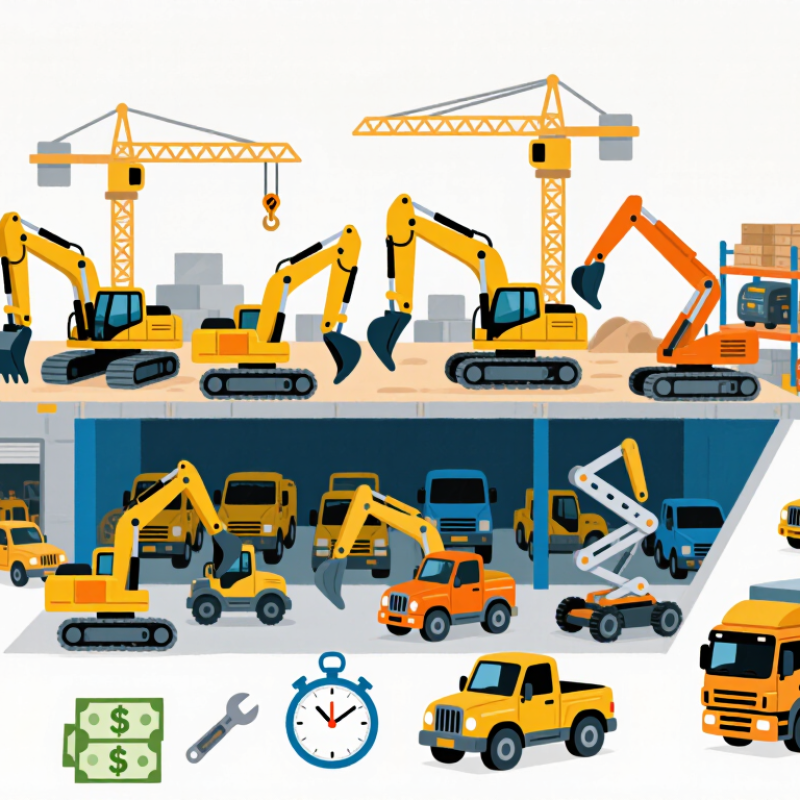
Equipment decisions shape daily operations, cash flow, and how quickly a team can respond to changing workloads. For a warehouse handling seasonal orders, renting an extra forklift for six weeks may be more practical than storing one all year. Rental also gives managers a way to test equipment before committing. That flexibility matters. However, frequent rentals can create delivery delays, changing costs, and extra staff training.
Buying can suit equipment used most days, such as a floor scrubber or production tool with predictable demand. Ownership may offer easier access, but the purchase price is only part of the calculation. Managers should include maintenance, storage, insurance, repairs, and the cost of downtime. A machine sitting idle still occupies space. Not always.
One assumption deserves a second look: rental is not automatically cheaper for short projects, and ownership is not always the better long-term choice. Compare expected use with the full cost of each option, then review the estimate after actual operating hours are known. Keep service records and note how often breakdowns interrupt work. Before committing, check whether the equipment fits the site, operator skills, and workload—not just the budget.
| Decision factor | Rent when | Buy when | Practical planning cue |
|---|---|---|---|
| 1. Cash flow and capital | Preserving cash for payroll, materials, or other near-term operating needs is a priority. | Available capital and expected long-term use make the upfront cost manageable. | Compare the full rental cost with purchase price, financing, insurance, maintenance, and eventual resale value. |
| 2. Equipment utilization | Use is occasional, seasonal, or difficult to forecast, so equipment may sit idle between jobs. | The equipment is needed regularly and can be kept productively in service. | Estimate operating days per month and compare them with the rental rate and the ownership cost per productive day. |
| 3. Project duration | A project has a defined end date or requires equipment only for a short-term workload increase. | Demand is ongoing and the equipment is expected to support work across multiple projects. | Ask rental providers for daily, weekly, and monthly rates; longer rental periods may have different pricing. |
| 4. Specialized or changing needs | Different projects call for different specifications, capacities, or attachments. | A particular configuration is consistently required and suitable for future work. | Check whether renting provides access to the required specification without leaving a rarely used asset in storage. |
| 5. Maintenance and downtime | The rental agreement includes relevant maintenance support or replacement options that reduce internal service demands. | In-house staff, parts, and service processes are available to maintain owned equipment. | Review what the rental rate covers, response times, breakdown procedures, and any exclusions before committing. |
| 6. Storage and transport | Secure storage, transport, or movement between job sites would add significant cost or coordination. | There is suitable storage and a practical plan for transport, security, and site allocation. | Include delivery, collection, loading, storage, and security costs in the comparison—not just the equipment price. |
| 7. Long-term cost and resale | Future demand is uncertain, or avoiding resale and end-of-life responsibilities is valuable. | Expected use is sustained and the total cost of ownership is favorable after considering resale value. | Compare costs over the same time period and account for depreciation, financing, repairs, insurance, and disposal. |
Planning note: The best choice depends on equipment type, local rental terms, expected utilization, financing costs, and operating conditions. Obtain current quotes and use consistent assumptions when comparing options.
Regular payments can reduce the upfront cost. That leaves more cash for payroll, inventory, and repairs.
Buying may suit equipment used steadily for years. Just remember, the purchase price is not the full cost.
Include delivery, installation, maintenance, insurance, and replacement. Compare total costs over the expected period of use.
Forecast equipment payments alongside supplier bills and customer collections. The forecast helps, but it cannot predict every delay.
Check calibration dates, compatible attachments, delivery timing, and operator requirements. Small details can stall a project.
Yes. A scanner may lack the file format your team needs. Newer does not always mean ready.
Frequent use may make ownership less costly over time. Estimate actual operating hours, not hopeful ones.
Focusing only on the rental rate. Transport, training, setup, and downtime count too. I might still overlook one.
Businesses must decide whether to rent or purchase equipment based on how it supports their operations and financial priorities. Understanding why do companies choose rental vs purchase equipment starts with cash flow: renting can preserve capital for other needs, while buying may make sense when equipment will be used regularly over a long period. The right choice also depends on project duration and workload, since short-term or variable needs may not justify the full cost of ownership.
Rental can provide access to specialized or newer equipment without requiring a large upfront investment, and it can make it easier to adjust resources as projects change. Purchasing, in contrast, offers greater control and dependable access to equipment the business uses often. By comparing costs, expected usage, productivity, and the value of flexibility, companies can choose an approach—or a combination of both—that best fits their operational goals.

 Anugenix Lift