Why Managing Risks in Elevated Work Environments is Essential?

Time:2026-09-01 Author:Sienna
0%

Working at heights presents unique challenges that increase the risk of accidents and injuries. According to the Occupational Safety and Health Administration (OSHA), falls are a leading cause of fatalities in the construction industry, accounting for approximately 34% of deaths in this sector. Having effective strategies on how to manage risks in elevated work environments is vital for protecting workers and ensuring safety.

Employers must recognize the need for comprehensive training and proper safety equipment. A report by the National Safety Council highlights that investing in safety measures can reduce the likelihood of workplace accidents by up to 50%. This statistic underscores the significance of implementing solid risk management practices. However, despite this knowledge, many companies still overlook proper safety protocols, leading to preventable injuries.

Moreover, the psychological aspect of working at elevation should not be neglected. Workers may face heightened anxiety or fear, impacting their performance. Addressing these concerns is essential for fostering a safe workspace. By combining proper training, high-quality equipment, and a supportive environment, businesses can significantly mitigate risks associated with elevated work. Awareness and commitment to safety should be a continuous effort in every organization.
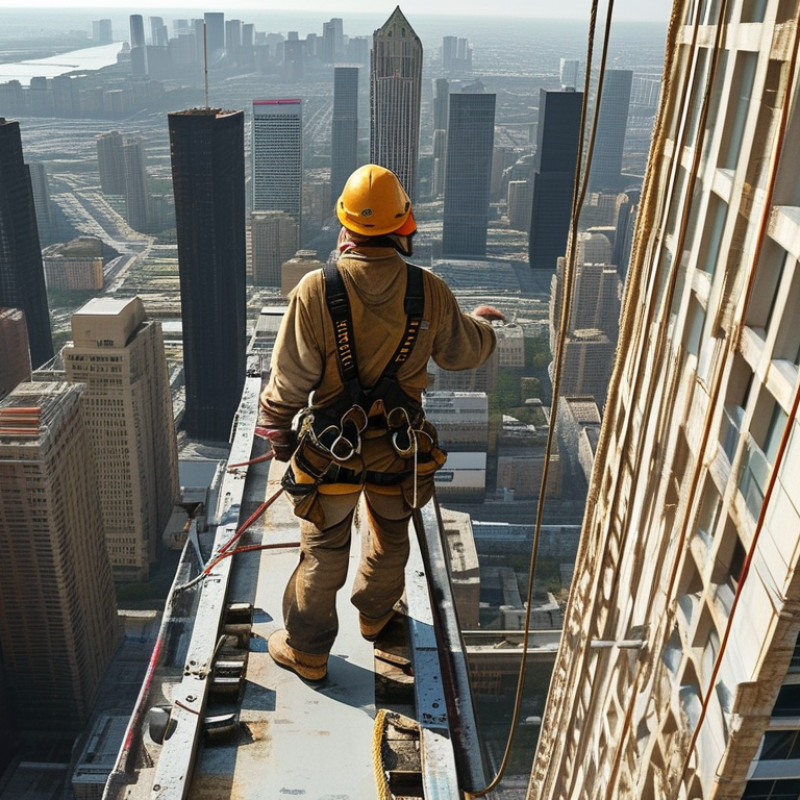
Why Managing Risks in Elevated Work Environments is Essential?

Importance of Risk Management in Elevated Work Environments

Managing risks in elevated work environments is crucial for ensuring safety and productivity. Workers at heights face unique challenges that can lead to serious accidents. Effective risk management helps to identify potential hazards, implement safety measures, and promote a culture of safety within teams.

Regular training sessions play a vital role in risk management. Workers should be educated about the importance of using protective gear, recognizing unsafe conditions, and knowing emergency procedures. Understanding the environment can significantly reduce risks. Consider conducting safety drills to prepare your team for unexpected incidents.

Communication is also essential. Maintain open lines of dialogue about safety concerns or near misses. Issues may arise that require immediate attention. Encourage your team to share their experiences. Gathering insights from workers can spotlight hidden risks and reveal areas needing improvement.

Have regular safety audits to evaluate current practices. Look for gaps in safety protocols and address them promptly. Making continuous improvements is key to enhancing workplace safety at heights. Understanding that risk management is not a one-time effort but an ongoing process is crucial. Creating a vigilant environment requires dedication and teamwork.

Common Hazards Associated with Working at Heights

Working at heights presents unique hazards that require careful management. According to the Bureau of Labor Statistics, falls account for about 30% of all work-related deaths in the U.S. This statistic underscores the critical nature of understanding these risks. Employees in construction, roofing, and maintenance are particularly vulnerable. A lapse in safety measures can lead to devastating consequences.

Common hazards include unstable surfaces, unguarded edges, and improper use of fall protection equipment. Reports indicate that around 50% of fall-related incidents are due to insufficient safety training. Workers often feel overconfident, leading to risky behaviors. Poorly maintained equipment is another frequent contributor. Regular inspections can mitigate this risk and enhance overall safety.

In addition to falls, other issues arise from working at heights. Weather conditions can change rapidly, affecting visibility and grip. Wind speeds can increase the risk of losing balance. It's essential to have protocols that address these variables. Ensuring that employees are well-equipped and informed can reduce these dangers significantly. Safety is an ongoing process, requiring constant evaluation and adaptation.

Why Managing Risks in Elevated Work Environments is Essential? - Common Hazards Associated with Working at Heights

Hazard Type Description Potential Risks Prevention Measures
Falls Unexpected slips or loss of balance while working at heights. Injuries, fatalities, or serious accidents. Use harnesses, guardrails, and safety nets.
Equipment Failure Malfunction of ladders, scaffolding, or aerial platforms. Injuries from falls or being struck by collapsing materials. Regular equipment inspections and maintenance.
Weather Conditions Working in high winds, rain, or extreme temperatures. Hypothermia, heatstroke, or loss of grip. Monitor weather updates and implement work stoppages when needed.
Electrical Hazards Working near live electrical wires or equipment. Electric shocks or burns. De-energize circuits and use insulated tools.
Tool Safety Improper use of power tools or hand tools. Cuts, lacerations, or other injuries. Provide training and safety gear for tool use.

Strategies for Effective Risk Assessment and Mitigation

Working at heights introduces unique hazards that require meticulous risk assessment and mitigation strategies. According to data from the Occupational Safety and Health Administration (OSHA), falls are among the leading causes of workplace fatalities, accounting for over 30% of deaths in the construction industry. Addressing these risks is critical.

Effective risk assessment begins with a thorough evaluation of the specific work environment. Identifying potential hazards like unstable surfaces or adverse weather conditions is essential. A comprehensive safety audit can help pinpoint these risks and set appropriate safety measures. For instance, the National Institute for Occupational Safety and Health (NIOSH) emphasizes the importance of using proper fall protection systems, which can reduce fall-related injuries by up to 50%.

Mitigation strategies should involve continuous training and equipment checks. Regular training sessions, focusing on safe practices and emergency procedures, ensure workers are prepared. Additionally, adhering to safety protocols can foster a culture of safety, where every team member prioritizes their wellbeing and that of their colleagues. However, organizations must also analyze overlooked factors, such as worker fatigue or inadequate gear, which can compromise safety measures. Taking time to reassess and refine strategies is vital in creating a safe working environment at elevated heights.

Training and Safety Protocols for Elevated Work Scenarios

In elevated work environments, the importance of rigorous training and safety protocols cannot be overstated. According to industry reports, falls from height are a leading cause of workplace fatalities, accounting for over 30% of all construction-related deaths. These statistics reveal the dire need for comprehensive safety measures. Workers must be adequately trained in the use of harnesses, ladders, and scaffolding to mitigate these risks.

Effective safety protocols include regular drills to simulate emergency situations. Workers should be familiar with evacuation routes and the proper use of protective gear. Research indicates that companies with robust training programs experience 50% fewer incidents compared to those without. Continuous education not only reduces accidents but also boosts worker confidence and morale.

Consider conducting safety meetings weekly. Short, focused discussions about recent incidents can foster a culture of safety. Encourage employees to share experiences and insights. This practice not only promotes vigilance but also builds camaraderie among the team. Elevating safety training to a priority can create a safer work environment. Engage everyone in the process; their participation is crucial for effective risk management.

Regulatory Standards and Compliance for Height-Related Work Safety

Managing risks in elevated work environments is crucial due to the inherent dangers that come with working at heights. Compliance with regulatory standards is not just a legal obligation; it assures workers' safety and enhances overall productivity. Various regulations guide safe practices, including fall protection measures and training requirements. These standards are designed to protect workers from costly accidents that can lead to injury or worse.

Focus on training and certification. Workers should undergo regular training on safety equipment and protocols. This ensures that everyone is prepared for potential hazards. Inspect equipment before each use. Damaged tools can lead to serious injuries.

Documentation is another key aspect. Maintain detailed records of safety inspections and training sessions. This accountability fosters a proactive safety culture. Consider implementing a buddy system. This promotes teamwork and ensures that workers assist one another in identifying hazards.

Establishing clear communication channels is vital. Workers should feel comfortable reporting unsafe conditions without fear of repercussions. Regular safety meetings can reinforce best practices. Encourage feedback to create an evolving safety plan.

Managing Risks in Elevated Work Environments

This chart illustrates the compliance levels in various risk management areas crucial for ensuring safety in elevated work environments. Proper adherence to these standards significantly reduces the risk of accidents and enhances overall workplace safety.

FAQS

: Why is risk management important in elevated work environments?

: It ensures safety and productivity by identifying hazards and implementing safety measures.

What unique challenges do workers face at heights?

Workers at heights face risks like falls due to unstable surfaces and improper use of safety equipment.

How can regular training benefit workers at heights?

Regular training educates workers on using protective gear and recognizing unsafe conditions, which reduces risks.

What role does communication play in safety?

Open dialogue about safety concerns allows teams to address issues promptly and share valuable insights.

How often should safety audits be conducted?

Safety audits should be regular to evaluate practices and identify gaps in safety protocols.

What are common hazards associated with working at heights?

Hazards include unstable surfaces, unguarded edges, and rapidly changing weather conditions.

Why do employees need training on safety protocols?

Training helps workers use fall protection equipment properly, reducing risk and increasing workplace safety.

How can safety drills enhance preparedness?

Safety drills prepare teams for emergencies, ensuring familiarity with evacuation routes and protective gear use.

What is a common misconception among workers at heights?

Many workers feel overconfident, leading to risky behaviors that can result in accidents.

Why is continuous education necessary for safety?

Continuous education fosters confidence, reduces accidents, and cultivates a culture of safety among workers.

Conclusion

Managing risks in elevated work environments is crucial for ensuring the safety of workers and minimizing accidents. Common hazards in such settings include falls, equipment failures, and adverse weather conditions, which can pose significant threats to health and safety. To effectively manage these risks, it is essential to conduct thorough risk assessments, identifying potential dangers and implementing suitable mitigation strategies.

Moreover, training and safety protocols tailored for elevated work scenarios are vital in equipping workers with the necessary skills to navigate these environments safely. Compliance with regulatory standards further reinforces these safety measures, providing a framework for best practices. Overall, knowing how to manage risks in elevated work environments not only enhances safety but also promotes a culture of awareness and responsibility among workers.

Sienna

Sienna

Sienna is a skilled marketing professional with a deep expertise in our company’s core products and services. With a passion for innovation and detail, she plays a pivotal role in crafting insightful blog posts that not only highlight the unique features of our offerings but also provide valuable......