Why is Operator Training Crucial for Aerial Platform Safety?

Time:2026-06-29 Author:Ethan
0%

In the dynamic world of construction and maintenance, aerial platforms play an essential role. However, their operation heightens safety risks. This leads us to the question: why is operator training essential for aerial platforms? Proper training equips operators with crucial skills. It develops their understanding of equipment design, safety protocols, and environmental considerations.

Untrained operators often overlook potential hazards. They may make poor judgments, risking both their safety and that of others. For instance, a lack of understanding about load limits can result in accidents. Training helps mitigate such risks, fostering a culture of safety that can save lives.

Moreover, experienced trainers contribute valuable insights. Their guidance can bridge gaps in knowledge. This raises awareness of common pitfalls and instills a sense of responsibility among operators. In essence, the commitment to thorough training not only enhances safety but also promotes operational efficiency. It empowers operators to navigate challenges confidently and appropriately.
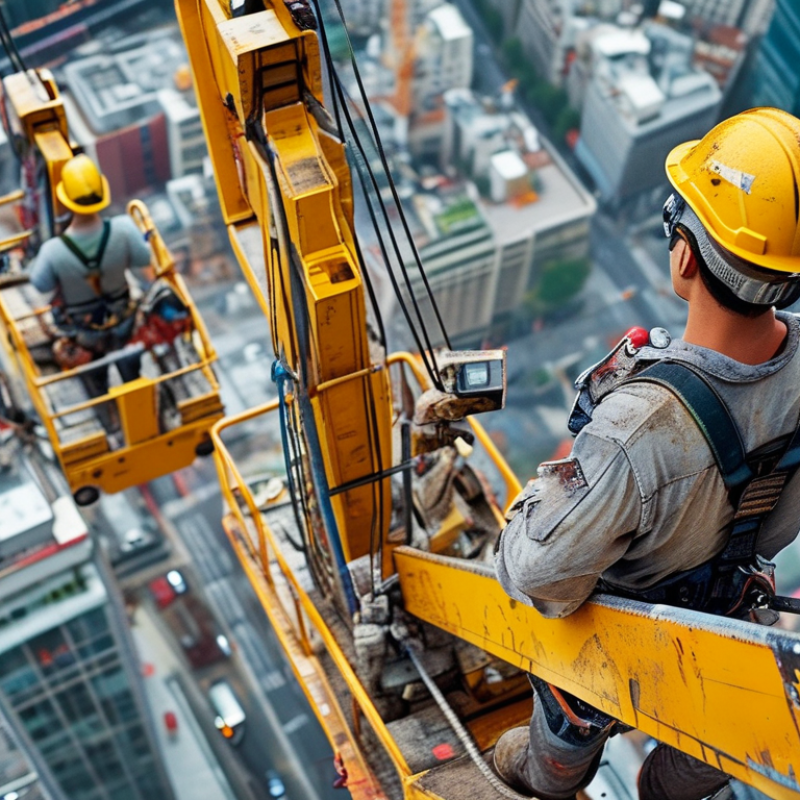
Why is Operator Training Crucial for Aerial Platform Safety?

Importance of Aerial Platform Safety in the Workplace

Aerial platforms play a vital role in various industries. Their safety in the workplace is critical. Improper usage can lead to accidents, injuries, and even fatalities. In many cases, these incidents stem from inadequate training for operators. Workers must understand how to use these platforms effectively and safely.

Operator training enhances awareness of the risks involved. It helps them recognize hazardous situations quickly. For instance, if an operator does not understand the importance of weight limits, they may overload the platform. This mistake can lead to catastrophic outcomes. Training programs emphasize hands-on experience, allowing operators to practice in controlled settings. They learn to conduct pre-operation checks and identify potential hazards.

Moreover, proper training cultivates a culture of safety. Workers become more vigilant, looking out for their colleagues. They share knowledge, creating an environment that discourages complacency. However, training is not a one-time task. Regular refreshers are needed to keep skills sharp. Continuous education is crucial as technology and regulations change. Thus, investing in operator training pays off in the long run, making workplaces safer for everyone involved.

Role of Operator Training in Preventing Accidents

Operator training is essential for ensuring safety when using aerial platforms. The lack of proper training is a major contributor to accidents. According to industry reports, improper handling of aerial equipment leads to over 30% of incidents. Well-structured training programs can drastically reduce these risks.

A recent study indicated that workers who received formal training were 50% less likely to be involved in accidents. Training helps operators understand equipment functionality, safety protocols, and emergency procedures. Furthermore, it enables them to recognize and react to potential hazards quickly. One critical aspect of training is hands-on experience, allowing operators to practice skills in a controlled environment.

Many organizations overlook the need for regular retraining. This gap can lead to unsafe practices as operators may forget key safety measures over time. Even experienced operators can fall into bad habits without ongoing training. Investing in comprehensive training programs, including periodic refreshers, enhances safety and operational efficiency significantly.

Why is Operator Training Crucial for Aerial Platform Safety?

Key Components of Effective Operator Training Programs

Operator training is an essential aspect of aerial platform safety. Effective programs provide operators with the knowledge and skills needed to handle equipment safely. This includes understanding the machinery, recognizing hazards, and making informed decisions during operations.

When designing training programs, it's crucial to include hands-on experience. Simulated environments allow operators to practice without the risks associated with actual operation. Incorporating real-life scenarios encourages critical thinking and prepares operators for unexpected challenges.

**Tips:** Ensure ongoing evaluations of training effectiveness. Regular feedback helps identify gaps in knowledge. Continuous improvement fosters a culture of safety.

Another key component is the emphasis on regulations and safety standards. Operators must be aware of industry guidelines and best practices. This knowledge promotes accountability and compliance, reducing risks on the job site.

**Tips:** Schedule regular refresher courses. Keeping skills sharp is vital. Use engaging methods to maintain interest and participation.

Best Practices for Aerial Platform Safety Compliance

Operator training is essential for ensuring the safety of aerial platforms. In regulated industries, effective training can reduce accidents by up to 50%. According to the National Institute for Occupational Safety and Health (NIOSH), inadequate training is a leading cause of workplace incidents involving aerial lifts. Proper training equips operators with the skills to handle specific equipment safely and efficiently.

To comply with safety regulations, operators should follow best practices. Regular refresher courses help maintain skills and keep operators updated on new safety guidelines. Surveillance and onsite evaluations are useful for assessing operator performance. These practices create a culture of safety and empower workers to voice concerns.

Tips for Aerial Platform Safety:
- Conduct daily inspections before use.
- Encourage a buddy system for high-risk tasks.
- Document all training sessions and evaluations for accountability.

These actions not only promote compliance but also enhance the overall safety culture. Continuous improvement and commitment to education are vital in this high-risk environment. Operators must remain alert to potential hazards, ensuring a safer workplace for everyone.

Continuous Improvement and Evaluation of Operator Skills

Operator training for aerial platforms is not a one-time event. Continuous improvement of skills is essential for safety and efficiency. Regular evaluations help identify gaps in knowledge. They also ensure compliance with changing safety standards. An operator may perform well one day and struggle the next. This inconsistency highlights the need for ongoing training.

Training programs should incorporate practical assessments and simulations. Real-life scenarios can challenge operators to handle unexpected situations. Feedback from these exercises can directly inform training content. Each operator must also reflect on their performance. This self-assessment reinforces their commitment to improvement. Encouraging a culture of open dialogue about mistakes can lead to better practices.

The training landscape is constantly evolving. New technologies and methods emerge regularly. Operators must stay current to maintain their competence. Evaluations need to address these innovations and how they impact safety. Adapting training processes ensures that skills do not become outdated. Continuous improvement is a critical component of operator training that cannot be overlooked.

FAQS

: Why is operator training important for aerial platform safety?

: Operator training is vital because improper handling contributes to over 30% of accidents.

How does formal training impact accident rates?

Workers with formal training are 50% less likely to be involved in accidents.

What key aspects should operator training cover?

Training should focus on equipment functionality, safety protocols, and emergency procedures.

Why is hands-on experience essential in training?

Hands-on experience allows operators to practice skills in a controlled environment, enhancing safety.

What happens if organizations neglect regular retraining?

Neglecting retraining can lead to unsafe practices as operators forget key safety measures over time.

How can ongoing evaluations improve operator skills?

Regular evaluations help identify knowledge gaps and keep operators compliant with safety standards.

What role do practical assessments play in training?

Practical assessments simulate real-life scenarios, challenging operators to handle unexpected situations.

Why should operators reflect on their performance?

Self-assessment reinforces commitment to improvement and helps identify areas needing focus.

How does the evolution of training methods impact operators?

Operators must stay current with new technologies to maintain competence and safety.

What is a potential drawback of one-time training programs?

One-time training can lead to outdated skills and knowledge, increasing safety risks over time.

Conclusion

Operator training is essential for aerial platforms as it plays a critical role in ensuring workplace safety and preventing accidents. Properly trained operators are better equipped to handle the complexities of aerial work, reducing the likelihood of mishaps that could lead to injuries or property damage. Effective operator training programs should include comprehensive instruction on equipment handling, hazard recognition, and safety protocols to reinforce best practices and maintain compliance with safety regulations.

Additionally, continuous improvement and evaluation of operator skills are vital to adapting to new challenges and technologies in aerial work. Regular assessments and refresher courses help operators stay informed about the latest safety standards and operational techniques, ultimately fostering a culture of safety within the workplace. In conclusion, understanding why operator training is essential for aerial platforms underscores its importance in promoting safe and efficient operations.

Ethan

Ethan

Ethan is a seasoned marketing professional with a deep expertise in our company's innovative product line. With a passion for sharing knowledge and insights, he takes the lead in regularly updating our corporate blog, where he explores industry trends, product features, and effective marketing......