How to Identify Common Issues in Lifting Equipment Operation?

Time:2026-05-25 Author:Sienna
0%

Lifting equipment plays a crucial role in various industries. However, issues can arise during operation. Understanding "what are common issues in lifting equipment operation" is vital for safety and efficiency.

Common problems include equipment failure, operator error, and maintenance neglect. Each of these factors can lead to serious accidents. Operators must be trained to recognize potential hazards. Regular inspections are essential to prevent malfunctions.

Addressing these challenges requires a proactive approach. Invest in training and maintenance programs. This effort can significantly reduce risks and improve productivity. In the dynamic world of lifting operations, awareness is key.
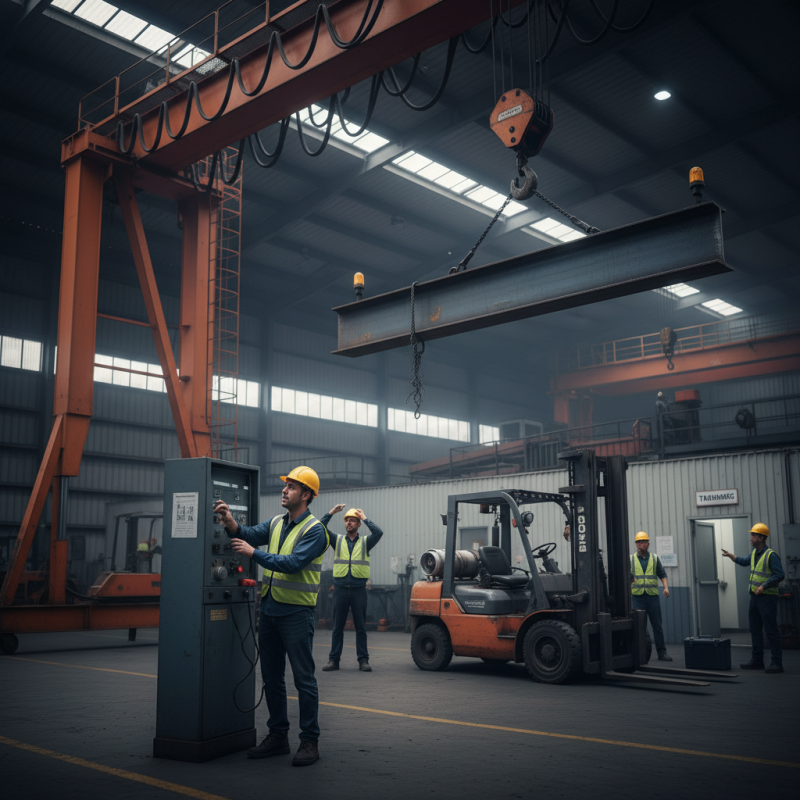
How to Identify Common Issues in Lifting Equipment Operation?

Identifying Common Types of Lifting Equipment Issues in Operations

In lifting equipment operations, identifying common issues is critical. Many accidents arise from equipment malfunctions or operator mistakes. A report from the National Safety Council indicates that around 50% of lifting equipment incidents are due to equipment failure. Regular inspections are essential for safety. However, they are often overlooked or improperly conducted.

One common issue is wear and tear on lifting chains. Operators may miss visible signs of damage. A survey found that over 30% of operators were unaware of proper inspection protocols for lifting chains. Ignoring small issues can lead to significant accidents. Misalignment of equipment components can also cause operational inefficiencies. This misalignment is often undetected until a more serious problem arises, impacting productivity and safety.

Additionally, operator training is sometimes inadequate. Reports indicate that 20% of lifting equipment accidents involve untrained personnel. Providing effective training can mitigate these risks. However, many organizations still fail to implement comprehensive training programs. When operators understand the equipment and its potential failures, they can better prevent accidents. Ignoring these factors can result in costly downtime and safety hazards.

Understanding Regulatory Standards for Lifting Equipment Safety

Understanding regulatory standards for lifting equipment safety is essential for any operation. These standards are created to protect workers and enhance equipment efficacy. They outline the required design, operation, and maintenance practices for various lifting devices. Each region may have its specific regulations. Companies must ensure they are compliant with local laws. Regular audits and inspections can help maintain safety standards.


When examining compliance, documentation plays a crucial role. Detailed records of maintenance, inspections, and operator training are vital. They promote accountability and can reveal potential issues before they escalate. It's easy to overlook this aspect, often leading to gaps in safety protocols. Sometimes, firms might not prioritize training, risking mishaps during operation. Workers must be well-versed in safety measures and equipment handling.


Moreover, it’s important to create a culture of safety within the organization. Encouraging open discussions about safety concerns can help identify issues early. Many operators may hesitate to report problems due to fear of repercussions. Establishing a non-punitive reporting system can change this dynamic. This openness fosters a proactive approach to safety, reducing the likelihood of accidents. Regular reviews of safety policies keep everyone informed and engaged.

Analyzing Equipment Inspection Reports and Maintenance Logs

When analyzing equipment inspection reports, detail matters. Look for patterns that indicate repetitive issues. An unusual number of failures in specific components can signify deeper problems. Maintenance logs provide essential insights too. They often reveal when and how equipment was last serviced. Such information helps identify trends in performance and reliability.

Regular inspection reports often highlight overlooked signs. For instance, a slight misalignment may not seem critical but can lead to serious malfunctions. Tracking these small issues allows teams to take action before they escalate. Maintenance logs may show recurring repairs. If a component fails frequently, it may require replacement instead of repairs. This can save time and costs down the line.

Reflection on past operations is essential. Equipment operators might miss warning signs if they focus solely on daily tasks. A thorough review of reports encourages teams to engage deeply with the equipment. This deeper connection can enhance performance and safety. Balancing proactive strategies with reactive solutions strengthens overall operations.

Recognizing Operator Training Gaps in Lifting Equipment Usage

Operator training gaps in lifting equipment usage can significantly impact workplace safety and efficiency. Many operators may lack crucial knowledge about equipment limits. For instance, they might not fully understand load capacities, which can lead to overloading. This oversight is common but often overlooked in training sessions.

Training should include real-life scenarios, allowing operators to make informed decisions under pressure.

Additionally, operators may not be familiar with the latest safety protocols. Routine inspections and maintenance checks should be part of their training. A gap in this knowledge can result in equipment malfunctions. Regular evaluations and hands-on practice are essential to reinforce these concepts. Encouraging operators to ask questions can help identify areas where further training is needed.

Some organizations may overlook the importance of refreshing training material. Using outdated information can lead to serious errors. Implementing regular workshops can bridge this gap, ensuring operators remain confident and competent. Engaging with experienced trainers can provide fresh insights and address specific local challenges. Reflecting on these training disparities can lead to a stronger, safer lifting environment.

Evaluating the Impact of Load Limit Violations on Equipment Safety

Load limit violations are critical issues in lifting equipment operation. Studies indicate that nearly 20% of accidents stem from exceeding these limits. This demonstrates the need for rigorous adherence to load specifications. Consistently, equipment manufacturers emphasize that lifting beyond rated capacities can compromise structural integrity.

In a recent industry report, it was noted that nearly half of the equipment failures during operation occur due to improper loading practices. This highlights a significant gap in training and awareness among operators. Regular training sessions can mitigate these risks. Proper training ensures that operators recognize the equipment's limitations and can identify potential hazards.

Even the most advanced lifting equipment is not immune to failure when load limits are not respected. The consequences can be severe, leading to accidents that might involve injury or fatalities. A culture of safety awareness is essential. Operators need to be proactive in their approach to understanding load limits and the implications of violations on both equipment safety and personal safety.

FAQS

: Why is it important to analyze equipment inspection reports closely?

: Detail matters. Examining patterns reveals repetitive issues and potential deeper problems.

What can maintenance logs provide insights into?

They show when and how equipment was last serviced, helping identify trends in performance.

How can slight misalignments impact equipment?

They may seem minor but can lead to serious malfunctions if ignored over time.

What should teams do when they notice recurring repairs in maintenance logs?

Consider replacing the component instead of continuous repairs to save time and costs.

Why is reflection on past operations important for equipment operators?

It helps operators recognize warning signs, enhancing their connection to equipment performance.

What percentage of accidents is linked to load limit violations?

Nearly 20% of accidents are associated with exceeding load limits, highlighting risks.

How can improper loading practices lead to equipment failures?

Almost half of equipment failures during operation occur due to these practices.

What role does operator training play in equipment safety?

Regular training improves awareness of load limits and helps identify potential hazards.

What are the consequences of ignoring load limits?

Severe accidents may occur, potentially leading to injuries or fatalities.

How can safety awareness be improved among operators?

Creating a culture of safety and proactive training can significantly enhance awareness and safety.

Conclusion

In the article "How to Identify Common Issues in Lifting Equipment Operation?", key factors affecting the safe operation of lifting equipment are highlighted. What are common issues in lifting equipment operation? They include mechanical failures, improper maintenance, and insufficient operator training. Understanding regulatory standards is crucial in ensuring compliance and safety in the workplace. Furthermore, analyzing equipment inspection reports and maintenance logs helps identify potential problems before they escalate.

The article also emphasizes the importance of recognizing operator training gaps, which can lead to unsafe practices. Lastly, it discusses the serious implications of load limit violations on equipment safety, underscoring the need for strict adherence to guidelines. Overall, a proactive approach to identifying and addressing these common issues is essential for the safety and effectiveness of lifting equipment operations.

Sienna

Sienna

Sienna is a skilled marketing professional with a deep expertise in our company’s core products and services. With a passion for innovation and detail, she plays a pivotal role in crafting insightful blog posts that not only highlight the unique features of our offerings but also provide valuable......