How to Identify Which Industries Use Elevated Work Platforms Most?

Time:2026-06-13 Author:Oliver
0%

In the realm of construction and maintenance, understanding which industries use elevated work platforms the most is key. A recent report by Market Research Insights states that the construction industry accounts for over 45% of all elevated work platform (EWP) usage. This figure highlights the importance of EWPs in high-rise projects and infrastructure development. According to industry expert John Smith, “Elevated work platforms are integral to safe and efficient operations in various sectors.”

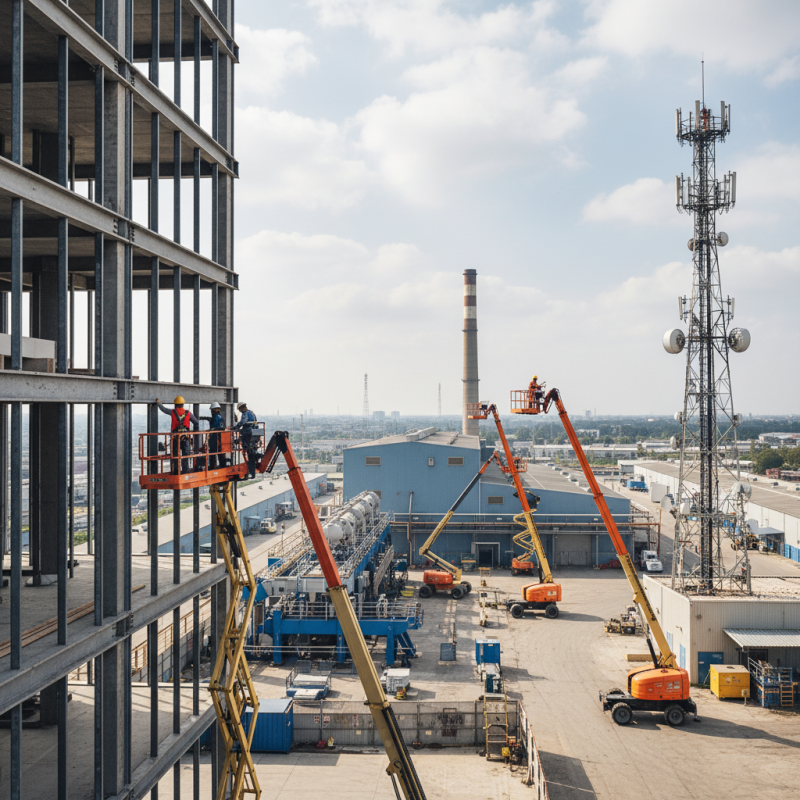
Beyond construction, sectors such as manufacturing and telecommunications increasingly rely on EWPs. The manufacturing industry often needs vertical access for assembly or maintenance tasks. Telecommunication installations frequently use these platforms for line work and tower maintenance. Yet, there is a challenge in optimizing the use of these platforms across industries. Different sectors may overlook unique safety protocols or operational efficiencies.

Identifying which industries use elevated work platforms the most enables businesses to allocate resources more effectively. While data shows that construction leads, other sectors are rapidly catching up. Continuous assessment and adaptation in this area can lead to improved safety and productivity outcomes.
How to Identify Which Industries Use Elevated Work Platforms Most?

Types of Elevated Work Platforms and Their Applications

Elevated work platforms (EWPs) play a crucial role in various industries. They provide safe access to high locations. Understanding the types and applications of these platforms can help identify which industries rely on them the most.

There are several types of elevated work platforms. Scissor lifts are popular in construction. They offer vertical access for tasks like installing drywall or electrical systems.

Boom lifts, on the other hand, provide more horizontal reach. These are frequently used in maintenance of buildings and telecommunication sectors. A report by Allied Market Research indicates that the market for EWPs is projected to grow due to increased urbanization and infrastructure development.


Working with EWPs requires attention to safety. Always perform a pre-operation inspection. Make sure the platform is stable. Use personal protective equipment (PPE) like helmets and harnesses. An industry report shows that up to 30% of workplace accidents occur while using these platforms.

Therefore, adequate training is essential.


Choosing the right platform is critical for efficiency. Consider the height needed for your task. Evaluate the weight capacity of the lift. Sometimes, wrong equipment leads to delays. It's also wise to assess the working environment. Understanding the specific needs of your project can lead to better outcomes.

Key Industries Utilizing Elevated Work Platforms

Elevated work platforms (EWPs) are essential tools across various industries. According to a report by IBISWorld, the construction industry is the largest user of EWPs. These platforms facilitate safe access to elevated areas, ensuring workers can perform tasks efficiently. Construction projects now increasingly rely on aerial lifts. They reduce labor costs by minimizing the need for scaffolding.

The maintenance and repair sector also heavily utilizes EWPs. This industry accounts for a remarkable 20% of EWP usage. Regular inspections and repairs become simpler with access to hard-to-reach spots. Telecommunications and utilities are using these platforms for installing or maintaining infrastructure. The growing demand for renewable energy adds even more reliance on EWPs.

Tips: Training workers on safety protocols is critical. Always ensure thorough inspections of EWPs before use. Regular maintenance checks can prevent accidents. Pay attention to the operational limits of each platform used. Proper use of EWPs can significantly enhance safety and productivity in various settings.

Safety Regulations Impacting Elevated Work Platform Use

The use of elevated work platforms (EWPs) is governed by strict safety regulations. These laws are crucial for protecting workers at heights. Various industries, such as construction and maintenance, heavily rely on EWPs. It is essential for employers to understand these regulations. Compliance can prevent accidents and ensure a safer workplace.

Regulatory bodies often issue guidelines detailing training and usage standards for EWPs. Workers must be trained in safe operating procedures. This training includes awareness of potential hazards. Equipment inspections are also vital before each use. These steps contribute to reducing workplace risks.

Despite regulations, many workers face pressure to prioritize speed over safety. This can lead to overlooking safety protocols. Employers must foster a culture focused on safety first. Regular workshops can improve safety awareness and compliance. Continuous education on regulations is necessary to enhance workers' skills. Balancing efficiency with safety remains a challenge in the industry.

Market Trends Influencing Elevated Work Platform Adoption

The adoption of elevated work platforms (EWPs) is heavily influenced by various market trends. According to a report by MarketsandMarkets, the global EWP market is projected to reach $16.93 billion by 2025, growing at a CAGR of 8.1%. This growth showcases the increasing reliance on EWPs across industries like construction, maintenance, and logistics. As urbanization accelerates, demand for high-rise buildings increases, leading to elevated work platforms becoming essential for safe and efficient construction and maintenance tasks.

Safety regulations play a key role in EWP adoption. Research from the American National Standards Institute suggests that companies investing in EWPs see a 20-30% reduction in workplace injuries. This statistic highlights the growing importance of safety in operational effectiveness. Additionally, the rising focus on sustainability encourages industries to adopt electric and hybrid EWPs. As these platforms become more eco-friendly, their use becomes a strategic choice for businesses looking to reduce their carbon footprint.

However, not all trends seem positive. Some contractors find the initial cost of EWPs daunting. While the long-term savings are clear, front-end investment can stall decision-making. Also, many operators lack proper training, increasing safety risks. Addressing these issues is crucial to ensuring the continued growth of EWP utilization across various sectors.

Case Studies of Elevated Work Platform Usage in Various Sectors

Elevated work platforms (EWPs) play a crucial role across various industries. Construction sites frequently utilize these platforms. Workers rely on them for tasks at significant heights. Tasks like roof installation or painting are common. Safety is a priority, but accidents can happen. Training is often inconsistent, leading to potential risks.

The maintenance sector also benefits from EWPs. Facilities management teams use them to access high ceilings and perform repairs. Here, the stakes include both safety and operational efficiency. However, some workers may lack experience in navigating these platforms. There's room for better training programs to ensure everyone's safety.

In the entertainment industry, EWPs support the setup of stages and lights. Crews work at varying heights to create stunning visuals. This requires skilled operators who understand both equipment and safety measures. Yet, improper use can lead to delays or injuries. Balancing creativity with safety protocols is a continuous challenge.

FAQS

: What are elevated work platforms (EWPs) used for?

: EWPs are used for safe access to elevated areas in various industries, especially construction.

How do EWPs benefit the construction industry?

They reduce labor costs and minimize the need for scaffolding, enhancing efficiency.

Which sectors heavily utilize EWPs?

The maintenance, telecommunications, and utilities sectors actively use EWPs for various tasks.

Why is training important for EWP operators?

Proper training ensures workers are aware of safety protocols and potential hazards associated with EWP use.

What issues arise from prioritizing speed over safety?

Workers may overlook safety protocols, increasing risk of accidents on job sites.

How can compliance with safety regulations be improved?

Regular workshops and continuous education can foster a culture of safety and improve compliance.

What challenges do entertainment industry workers face using EWPs?

Skilled operation is essential, but improper use can lead to delays and potential injuries.

Are inspections important before using EWPs?

Yes, thorough inspections can prevent accidents and ensure safe operation of the platforms.

How does experience impact EWP safety?

Inexperienced workers may struggle with safety and operational efficiency when using EWPs.

What role do safety protocols play in productivity?

Proper use of protocols can enhance both safety and productivity in various work settings.

Conclusion

Elevated work platforms (EWPs) are essential tools in various industries, providing safe access to high work areas. This article outlines the types of EWPs and their applications, highlighting key industries that utilize these platforms the most, such as construction, maintenance, and warehousing. Understanding which industries use elevated work platforms the most helps in identifying their unique needs and operational practices, ensuring that the right equipment is used for specific tasks.

Additionally, the article discusses the safety regulations that govern EWP use, emphasizing the importance of compliance in ensuring worker safety. Market trends, including technological advancements and increasing demand for productivity, are also examined, revealing how they influence the adoption of EWPs across different sectors. Through case studies, the effectiveness of EWPs in improving operational efficiency and safety is illustrated, showcasing their critical role in modern industry practices.

Oliver

Oliver

Oliver is a seasoned marketing professional with a wealth of expertise in driving brand awareness and engagement. With a deep understanding of our company's product offerings, he consistently delivers high-quality content that enriches our professional blog. His insights not only shed light on......