In the realm of aerial work equipment, safety is paramount. According to a recent report by the International Safety Equipment Association, over 40% of workplace injuries involve fall-related incidents during aerial tasks. Ensuring proper safety features is crucial for preventing such accidents. As noted by industry expert Dr. Helen Carter, “Identifying which safety features are essential for aerial work can significantly reduce risks.”
Effective safety features include advanced stability systems, emergency descent mechanisms, and enhanced operator training modules. Each feature directly contributes to minimizing hazards. Unfortunately, many companies underestimate the importance of these components, leading to preventable mishaps.
It’s vital to recognize that not all aerial work equipment is created equal. Choosing equipment with inadequate safety features can have dire consequences. The ongoing dialogue in the industry highlights the need for stringent safety standards and continuous improvement in designs. By focusing on which safety features are essential for aerial work, we can create a safer working environment for all.
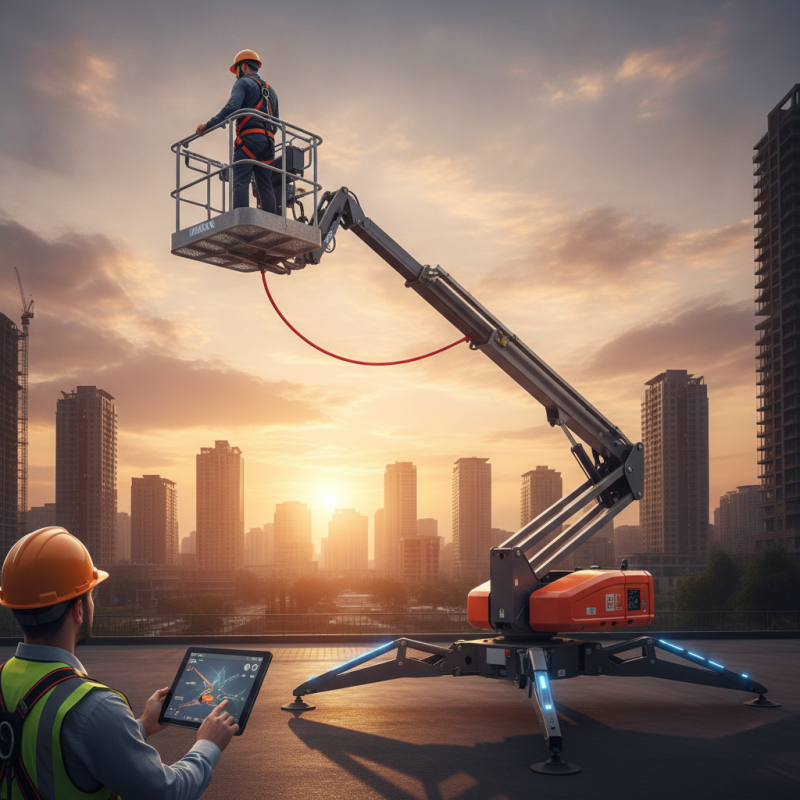
Top 5 Safety Features Essential for Aerial Work Equipment
When considering aerial work equipment, safety features are critical. According to industry reports, nearly 30% of workplace accidents involve falls from height. Therefore, investing in the right safety features can significantly reduce risks.
One essential feature is the presence of guardrails. These barriers prevent falls and provide a solid grip for workers. Moreover, non-slip surfaces can enhance stability during operation. Ensuring that the equipment includes these features is crucial for promoting safety.
Tip: Always inspect equipment before use. Check for any signs of wear or damage, especially in safety components. Regular maintenance can be a lifesaver.
Another important element is emergency descent systems. In the event of a power failure, these systems ensure that workers can safely lower themselves and their equipment to the ground. Data indicates that accidents involving sudden power loss lead to increased injuries. Therefore, having these systems in place is vital.
Tip: Train all workers on how to use emergency descent systems. Familiarity can boost confidence and reduce panic during emergencies.
Integrating advanced safety technologies, such as obstacle detection sensors, further enhances safety. These features help prevent collisions, especially in crowded job sites. The integration of technology can make a significant difference in minimizing accidents related to aerial work equipment.
Overview of Aerial Work Equipment Safety Standards
Aerial work equipment plays a crucial role in various industries. Safety standards are vital to ensure the equipment’s effective use. According to the International Safety Equipment Association (ISEA), more than 60% of workplace injuries stem from inadequate safety measures in aerial work environments. This statistic underscores the importance of adhering to established safety standards.
Compliance with OSHA (Occupational Safety and Health Administration) regulations is essential. These regulations provide a framework for evaluating risks associated with aerial work. A recent report from the National Institute for Occupational Safety and Health (NIOSH) revealed that implementing safety standards significantly reduces accident rates. Yet, many companies still overlook these guidelines, leaving workers at risk.
Training remains a critical component in enforcing safety standards. The American National Standards Institute (ANSI) states that proper training minimizes operational errors. However, not all workers receive adequate instruction. This gap in training can lead to unsafe conditions. Companies must prioritize ongoing education to maintain high safety standards and protect their workforce. Failing to address these issues can have profound consequences on both employee safety and organizational productivity.
Importance of Stability Features in Aerial Work Platforms
Stability is a crucial aspect of aerial work platforms. Without robust stability features, operators and workers are at risk. These machines often operate at significant heights, making the potential consequences of instability severe. Enhancing stability involves a combination of design elements, like wider bases and low centers of gravity.
Consider the presence of outriggers or stabilizers. When deployed, they provide additional support, reducing the risk of tipping. However, some operators may forget to use them. This oversight can lead to accidents. Another important factor is the quality of the platform’s materials. Stronger materials can withstand vibrations and loads better, contributing to overall stability.
Training plays a role too. Operators must understand how to assess ground conditions. They should also be aware of how load distribution affects stability. Reflecting on past incidents can illuminate areas for improvement. Sometimes, even small changes in procedure can lead to better outcomes. Emphasizing stability features should remain a priority in the ongoing development of aerial work equipment.
Role of Operator Training and Certification in Enhancing Safety
Operator training and certification play a pivotal role in enhancing safety for aerial work equipment. Proper training ensures operators can effectively manage the equipment. This reduces the risk of accidents and promotes a safer working environment. Certification also builds operator confidence, allowing them to make informed decisions under pressure.
Tips for training: Include hands-on practice alongside theoretical lessons. Simulated scenarios deepen understanding. Encourage operators to ask questions and clarify doubts. Create a culture of safety where operators feel responsible for their well-being and that of their colleagues.
Regularly update training programs to reflect new safety regulations and advancements in technology. Operators should engage in ongoing education. This commitment keeps skills sharp and knowledge current. Operators must not become complacent after initial training. Continuous improvement is essential for maintaining high safety standards.
Safety Mechanisms: Fall Arrest Systems and Their Impact
Fall arrest systems are crucial in aerial work equipment. These systems play a vital role in preventing serious injuries. Workers often operate at significant heights, where even a minor slip can have severe consequences. A robust fall arrest mechanism can mean the difference between life and death.
These systems consist of harnesses, lanyards, and anchor points. Proper training in their use is essential. Many accidents occur due to improper usage or lack of knowledge. Workers may feel confident, but complacency can lead to mistakes. Regular inspections and maintenance of these systems are equally important. Equipment can wear out over time, no matter how reliable it seems.
Despite advancements in safety technology, challenges remain. Workers may ignore safety protocols under pressure. This disregard can stem from tight deadlines or a lack of understanding of risks. Ongoing education on fall hazards and safety measures is necessary. Building a culture of safety is essential for high-risk work environments.
Importance of Regular Maintenance and Inspections for Safety Compliance
Regular maintenance and inspections of aerial work equipment are crucial for ensuring safety compliance. Equipment in this sector often faces rigorous usage, leading to wear and tear. A systematic maintenance schedule can identify potential defects early. This proactive approach minimizes risks to operators and bystanders alike.
Regular inspections should include thorough checks of hydraulic systems, safety belts, and emergency mechanisms. Even minor issues can escalate if overlooked. Documenting each inspection helps maintain transparency and builds trust among team members. However, many companies still neglect these practices. They often prioritize productivity over safety, which can lead to accidents.
Furthermore, training personnel in identifying safety concerns is essential. Workers must know what to look for during inspections. Engaging them in the process empowers them to take ownership of safety. Yet, without regular reinforcement of these practices, complacency can set in, increasing the risk of incidents.
Top 5 Safety Features Essential for Aerial Work Equipment
This chart illustrates the relative importance of various safety features in aerial work equipment based on industry standards and safety compliance requirements.
Conclusion
When considering which safety features are essential for aerial work, it is critical to understand the importance of adhering to established safety standards. Aerial work equipment, including platforms, must prioritize stability features to prevent accidents and ensure the safety of operators. In addition to structural integrity, the role of operator training and certification cannot be overstated; well-trained personnel significantly enhance overall safety measures.
Furthermore, effective safety mechanisms such as fall arrest systems play a pivotal role in minimizing risks during aerial operations. Regular maintenance and inspections are also vital for compliance with safety regulations, ensuring that equipment functions correctly and safely. By focusing on these essential safety features, companies can create a safer working environment in aerial operations.

 Anugenix Lift