Working at height presents unique challenges that demand rigorous safety measures. To prevent accidents, it's vital to understand how to ensure stability when working at height. The Occupational Safety and Health Administration (OSHA) indicates that falls are a leading cause of workplace injuries, with Fall Protection being one of the most frequently cited violations. In fact, studies reveal that approximately 40% of workplace fatalities involve falls from elevated positions.
Stability is crucial to mitigate these risks. Proper training and the use of reliable equipment can significantly enhance safety. According to the National Institute for Occupational Safety and Health (NIOSH), implementing comprehensive training programs can lower fall-related incidents by up to 30%. Yet, too many workers underestimate the importance of equipment checks. Regular inspections and maintenance of harnesses and ladders are essential.
In terms of statistics, nearly 60% of falls happen due to improper use of equipment. This realization prompts a need for ongoing evaluation of safety practices. Workers and employers must continuously assess their methods and prioritize stability to maintain a safer work environment at height. A culture of safety can always be improved.
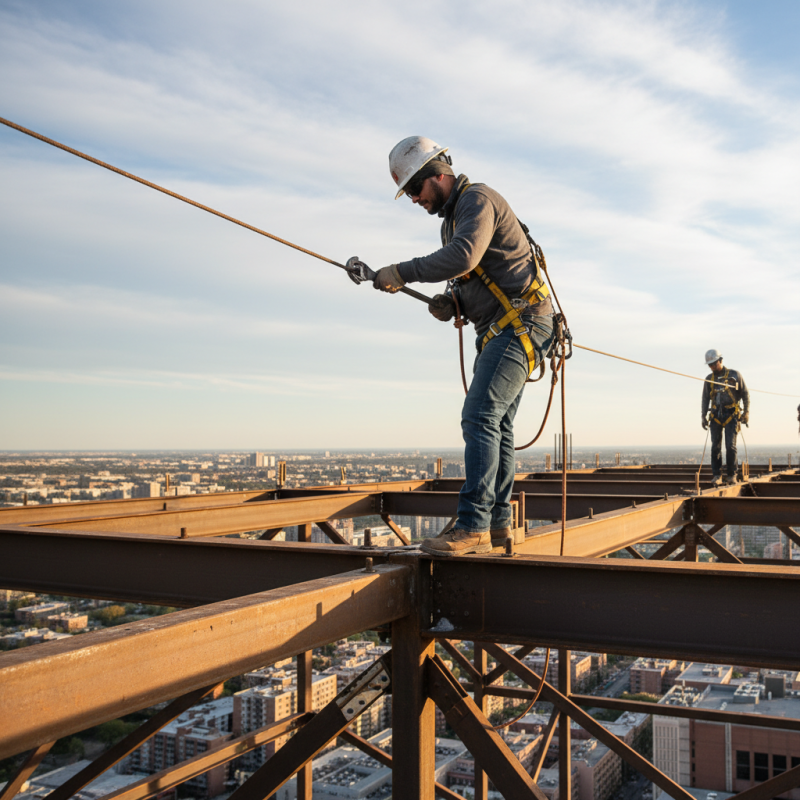
Working at height presents significant risks that can lead to serious injuries or fatalities. According to the Health and Safety Executive (HSE), falls from height accounted for 46% of all workplace fatalities in the UK in recent years. This shocking statistic underlines the urgent need to address the safety concerns tied to working at elevated levels. Many workers underestimate the dangers involved, believing they can manage without proper precautions.
Common risks include unstable surfaces, poor weather conditions, and a lack of proper training. A report by the International Labour Organization (ILO) estimates that falls from height contribute to over 350,000 deaths annually worldwide. Many incidents occur because workers are not equipped with necessary personal protective equipment (PPE) or lack the knowledge of safe working practices. Basic safety measures, like proper ladder usage and harness systems, can be easily overlooked.
Organizations must implement thorough risk assessments to identify hazards. These assessments should not only cover physical conditions but also examine the workers' abilities. Overconfidence can lead to complacency, making it essential to foster a culture of safety awareness. Regular training sessions help instill the necessary skills and knowledge to manage risks effectively. An ongoing evaluation of workplace safety standards is vital, considering that many accidents could have been prevented with the right protocols in place.
| Risk Factors | Safety Measures | Equipment Recommended | Training Required |
|---|---|---|---|
| Falls from heights | Use of guardrails | Safety harnesses | Fall protection training |
| Slippery surfaces | Regular surface inspections | Anti-slip footwear | Site safety training |
| Weather conditions | Monitoring weather forecasts | Weather-resistant gear | Emergency response training |
| Improper use of equipment | Regular equipment checks | Ladders and scaffolds | Equipment handling training |
: Height safety standards ensure worker safety and promote accountability within organizations.
OSHA regulations cover equipment use, safety training, and hazard assessments related to working at height.
Integrating safety standards into regular training sessions helps workers understand risks and use safety equipment properly.
Workers sometimes skip training or underestimate risks, which can lead to dangerous situations.
Regular audits and checklists can help ensure adherence to safety regulations and keep practices up-to-date.
Certification validates that workers have completed necessary training and are aware of safety protocols.
Inadequate training can lead to overconfidence, leaving workers unprepared for real-world challenges.
Yes, certification requirements may vary by region and often include refresher courses to keep knowledge current.
Workers should seek reliable training and engage in continuous learning to stay aware of emerging hazards.
A culture of safety must be promoted, encouraging openness about lapses and commitment to ongoing safety practices.
Ensuring stability when working at height is crucial for the safety of workers operating in elevated environments. Understanding the risks associated with such tasks is the first step; hazards can range from falls to equipment failure. Key equipment, including harnesses, guardrails, and scaffolding, plays a vital role in maintaining stability during elevated work. Adhering to established safety standards and regulations is essential to mitigate these risks.
Training and certification requirements help to ensure that workers are equipped with the knowledge and skills needed for safe practices. Additionally, best practices for emergency preparedness and response should be implemented to address potential incidents effectively. By focusing on these aspects, organizations can significantly enhance safety and stability when working at height.

 Anugenix Lift