When working at height, ensuring stability is crucial for safety. In China, construction and maintenance activities often take place in challenging environments. Workers are frequently exposed to risks that require careful planning and execution. Understanding how to ensure stability when working at height is essential to prevent accidents and injuries.
Many factors influence stability at height. The selection of appropriate equipment, such as scaffolding and harnesses, plays a vital role. Regular safety training for workers is equally important. Yet, even with safety measures in place, human error can lead to unforeseen situations. Awareness of these risks is necessary for effective prevention strategies.
The importance of supervision cannot be overstated. Experienced supervisors can identify hazards that workers might overlook. Establishing a culture of open communication about safety concerns fosters a safer working environment. However, some companies may neglect these elements, leading to increased risks. It's crucial to reflect on current practices to enhance stability and safety when working at height.
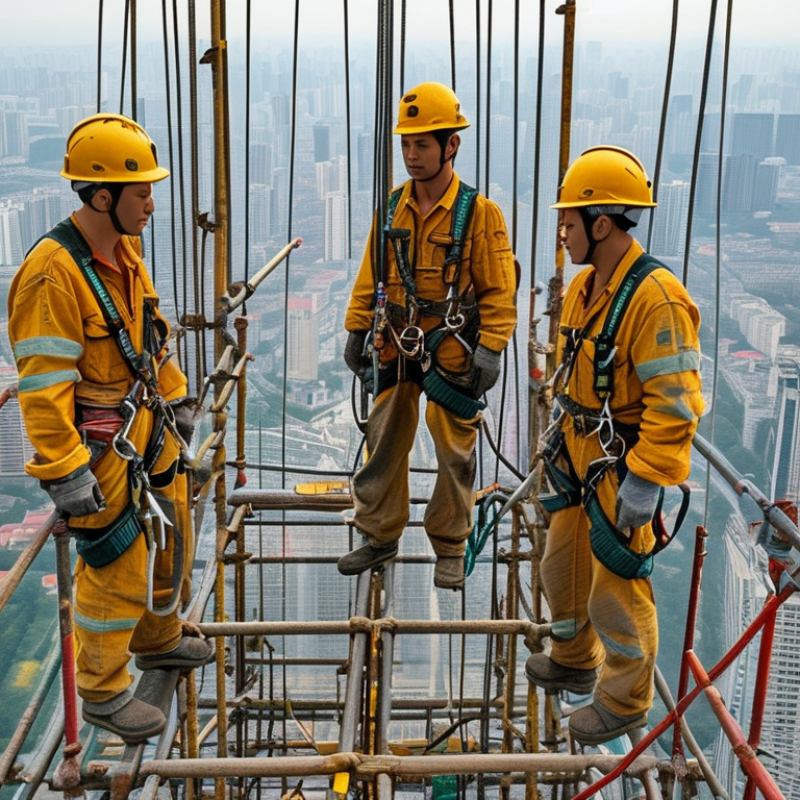
In China, the importance of safety regulations for working at height cannot be overstated. According to the National Bureau of Statistics, over 20% of workplace accidents occur during height-related tasks. These statistics highlight the dire need for strict safety guidelines. Workers face serious risks, including falls leading to injuries or fatalities. Implementing comprehensive safety measures can significantly reduce these incidents.
The development and enforcement of safety regulations play a crucial role. The Ministry of Emergency Management has introduced standards that focus on proper training, equipment usage, and site assessments. Data from the China Occupational Safety and Health Association indicates that workplaces adhering to these regulations have reduced accidents by 30%. Nevertheless, some companies still overlook these guidelines, often leading to preventable accidents.
Safety training programs are vital yet still inadequate in many sectors. Research reveals that nearly 50% of workers lack proper safety training for height work. This gap indicates that companies must take responsibility for regular training sessions. Additionally, investment in safety equipment is essential. Unfinished safety zones and lack of proper harnesses remain common issues. Addressing these problems is not just regulatory compliance; it is a moral obligation.
This bar chart illustrates the number of reported accidents related to working at height across different industry sectors in China. The data highlights the importance of strict safety regulations to reduce accidents and ensure a safer working environment.
Working at heights poses significant risks, but proper safety equipment can greatly reduce the likelihood of falls. Harnesses are crucial; they connect workers securely to a fall protection system. A well-fitted harness distributes force evenly, minimizing injury during a fall. It’s vital to regularly inspect harnesses for wear or damage. Even minor defects can compromise safety.
Lanyards and safety nets also play key roles. Lanyards should have shock absorbers to reduce fall impact. Workers must be trained in their use and understand the importance of attaching lanyards to stable structures. Safety nets catch individuals in case of a fall. However, proper installation is essential. Poorly placed nets can lead to injuries if they fail to capture a fall properly.
With safety gear, the environment must be assessed regularly. Surface conditions and weather can change quickly, affecting stability. Equipment can wear out over time, and routine checks are necessary to ensure reliability. Adopting a proactive approach to safety can help identify potential hazards and address them before they lead to accidents. Constant vigilance is vital.
| Safety Equipment | Function | Usage Guidelines | Maintenance Frequency |
|---|---|---|---|
| Safety Harness | Prevents falls from height | Inspect before each use; ensure proper fit | Monthly |
| Lanyard | Connects worker to anchor point | Check for wear and tear | Monthly |
| Anchor Points | Provides secure attachment for safety equipment | Inspect structural integrity | Quarterly |
| Safety Net | Catches falling workers | Ensure no rips or damage | Monthly |
| Guardrails | Prevents accidental falls | Check for height and stability | Weekly |
In China, ensuring safe working conditions at height is vital. Proper training and certification for workers are key components. Workers must understand the risks associated with working at elevated levels. They should learn to use safety equipment effectively. Training programs should cover fall prevention, rescue techniques, and personal protective equipment.
To enhance safety, employers need to create a thorough training program. This program should be tailored to the specific risks of the job site. Regular assessments are also crucial. These evaluations help identify areas where workers may need additional training. It’s essential to involve experienced trainers who can share practical insights.
Consider implementing on-site drills. Drills can help workers practice emergency responses. They also boost confidence in using safety equipment. Establish an ongoing education system. Workers should have access to updated information about safety practices. This keeps everyone informed about the latest standards. Regular refresher courses can address gaps. Continuous learning is vital for maintaining a safe working environment at height.
Planning and managing height-related tasks is crucial for workplace safety in China. According to a report by the Occupational Safety and Health Administration, falls from height are responsible for around 40% of workplace fatalities. This alarming statistic underscores the need for effective planning and risk assessment.
Employers must identify potential hazards before work begins. Conducting a detailed risk assessment helps in recognizing areas that may pose safety threats. For instance, analyzing weather conditions and choosing the right equipment, such as harnesses and guardrails, can enhance safety. It’s essential to provide proper training for workers, focusing on proper use of personal protective equipment. Regular refreshers and drills improve awareness and preparedness. Interestingly, a study showed that companies with ongoing safety training reduced their fall-related incidents by 25%.
In managing height-related tasks, communication plays a vital role. Workers should have clear channels to report unsafe conditions or potential hazards. Monitoring the work environment and ensuring a safety officer is on-site at all times can help in quick incident responses. Yet, even with strict measures, the unpredictable nature of heights means that constant vigilance is key. Many companies find it challenging to maintain a proactive safety culture, leading to lapses in protocols. Understanding these complexities is part of creating a safer work environment.
Regular inspection and maintenance of equipment for working at height is crucial in ensuring safety. A well-maintained harness or lifeline can prevent accidents. It's not just about following safety protocols; it's about understanding the equipment's limitations. Regular checks help identify wear and tear. An overlooked fray in a safety rope can lead to catastrophe.
Routine inspections should be documented. Keeping a log of inspections creates accountability. Workers must be trained to recognize signs of damage. Aimed training sessions can help in this regard. Too often, personnel may overlook minor issues, thinking they are insignificant. This mindset can lead to bigger problems down the line.
Maintenance schedules should adhere to manufacturer guidelines. However, these guidelines are sometimes not enough. Real-world conditions can be harsh, which may affect safety equipment faster than anticipated. Having a flexible maintenance plan is wise. It allows for adjustments based on specific job site conditions. Recognizing that safety practices evolve is vital for any work environment. The goal is to continually adapt and improve safety measures.
: A harness connects workers securely to a fall protection system. It minimizes injury by distributing force during a fall.
Regular inspections are vital. Even minor defects can compromise safety. Inspect for wear or damage frequently.
Lanyards connect workers to stable structures. Shock absorbers reduce the impact of falls, increasing overall safety.
Safety nets catch individuals during falls. Poor installation can lead to injuries if they fail to function properly.
Surface conditions and weather can quickly change. Regular assessments are necessary to ensure stability and safety.
It should cover fall prevention, rescue techniques, and proper equipment use. Regular assessments ensure ongoing safety awareness.
Documenting inspections creates accountability. It helps identify wear and potential issues before they lead to accidents.
Overlooking minor issues may seem insignificant. This mindset can lead to major problems and accidents over time.
Drills practice emergency responses and increase confidence. They help workers become more familiar with safety equipment.
Safety practices evolve. Ongoing education keeps workers informed about the latest standards and addresses gaps in knowledge.
Working at height presents unique safety challenges, making it crucial to understand how to ensure stability when working at height. In China, adhering to safety regulations is paramount to prevent accidents. Key safety equipment, such as harnesses and guardrails, plays a vital role in fall prevention. Additionally, workers must undergo comprehensive training and certification to be adequately prepared for the risks involved in height-related tasks.
Effective planning and management of height work are essential best practices that contribute to workplace safety. Regular inspection and maintenance of safety equipment further enhance stability and reliability. By prioritizing these elements, employers can create a safer environment that minimizes risks associated with working at height, thereby safeguarding their workforce and promoting a culture of safety.

Anugenix Lift