Electric lifting solutions are gaining traction around the world, driven by industry needs for efficiency and safety. According to a report by MarketsandMarkets, the electric lifting equipment market is expected to reach $40 billion by 2025, growing at a CAGR of 5.6%. This growth reflects a shift towards automation and improved workplace safety. Companies recognize that these solutions reduce manual labor risks and enhance productivity.
Why are electric lifting solutions becoming popular? Many industries see the value in reducing the physical strain on workers. Electric lifts operate with precision and minimal human intervention, minimizing potential accidents. Moreover, the increasing demand for sustainable practices further pushes the adoption of electric equipment. Companies are not only looking at cost savings but also aiming for eco-friendly solutions.
However, the transition to electric lifting systems can be complex. Some industries still rely on outdated technologies. Additionally, there are concerns about training workers to use new systems effectively. While the benefits are clear, organizations must also address these challenges to maximize their investment.
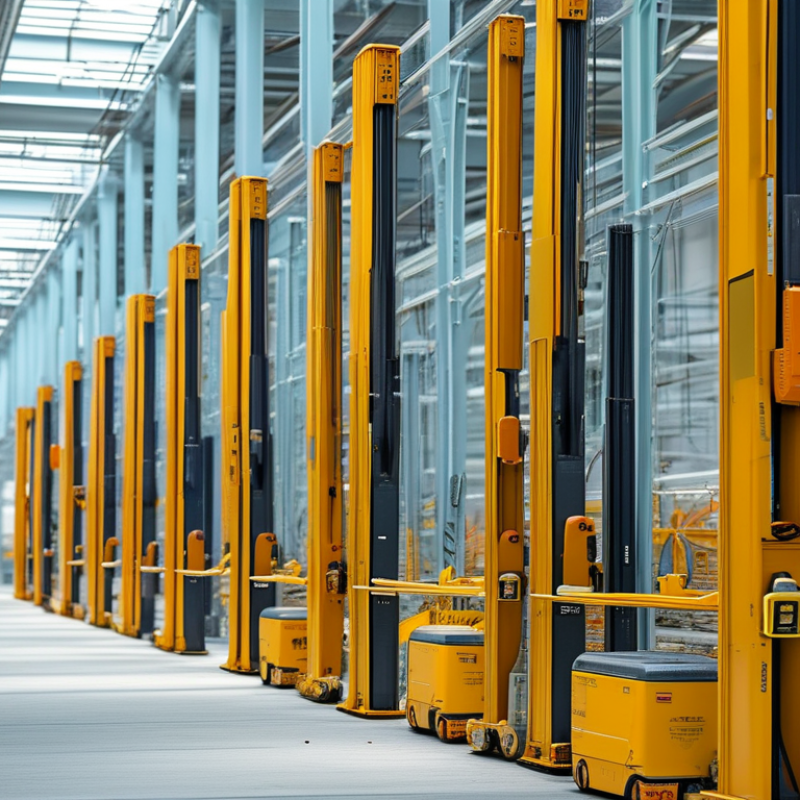
The Rise of Electric Lifting Solutions in Different Industries
Electric lifting solutions are increasingly adopted across various industries. Their appeal lies in
efficiency and safety. In construction, for
example, electric lifts streamline the movement of heavy materials. This not only saves time
but also reduces physical strain on workers. Electric lifting technology enables precise movements,
allowing operators to position loads accurately.
Manufacturing is another area witnessing growth. Factories now use electric lifts to transport heavy
components swiftly. This enhances productivity and minimizes the risk of workplace injuries. However,
companies must still consider
maintenance for these systems.
Neglect could lead to unexpected downtime and compromised safety.
In logistics, electric lifting solutions improve operations as well. Automated lifting systems can
significantly speed up the loading and unloading process. Yet, the initial investment can pose a
challenge for smaller businesses. As industries shift toward sustainability, the demand for electric
solutions is likely to rise. There are still questions about long-term costs
and potential advancements in technology. These factors warrant careful consideration before widespread adoption.
Key Advantages of Electric Lifting Solutions Over Traditional Methods
Electric lifting solutions have become increasingly popular due to their numerous advantages over traditional lifting methods. One key benefit is safety. Electric lifts often come equipped with advanced safety features, reducing the risk of accidents. For example, automatic braking systems can help prevent falls. This technology minimizes human error and enhances workplace safety.
Efficiency is another major advantage. Electric lifting devices operate quickly and smoothly. They can lift heavy loads with minimal effort, allowing workers to focus on other tasks. This efficiency translates to higher productivity for businesses. Additionally, electric lifts have lower operational costs compared to older methods. They consume less energy and require minimal maintenance, translating into long-term savings.
However, the transition to electric lifting solutions isn’t without challenges. Initial costs can deter some companies from adopting new technologies. Moreover, training staff on electric systems is essential but can take time and resources. Companies must weigh these factors against the benefits for a successful implementation.
Innovative Technologies Driving the Growth of Electric Lifting Solutions
Electric lifting solutions are rapidly gaining traction globally, driven by groundbreaking technologies. The integration of smart sensors and IoT has significantly enhanced efficiency and safety in operations. According to a report by Allied Market Research, the electric lifting market is expected to CAGR of 5.6% from 2021 to 2028. These advancements enable better load management and real-time monitoring, thereby minimizing workplace accidents and optimizing productivity.
Battery technology has also seen remarkable improvements. Lithium-ion batteries, for instance, provide longer operational times and faster charging. The global battery market for electric lifting equipment is projected to reach $4.5 billion by 2026, as stated by MarketWatch. However, challenges remain, such as balancing battery life and charging times. Companies must continuously evaluate energy management strategies to enhance performance.
Moreover, the shift towards sustainability plays a crucial role in this trend. Electric lifts produce fewer emissions compared to their diesel counterparts. This shift aligns with international goals for reduced carbon footprints. Yet, reliance on electricity can create new issues regarding sourcing and grid stability. Addressing these complexities is vital for further progress in the sector.
Environmental Impact and Sustainability of Electric Lifting Solutions
Electric lifting solutions are quickly becoming a preferred choice across various industries. Their rise in popularity reflects a broader shift towards more sustainable practices. According to a report by the International Energy Agency, the global shift to electric lifting technologies could reduce carbon emissions by up to 30% compared to traditional systems. This statistic highlights the potential environmental benefits associated with transitioning to electric solutions.
Moreover, electric lifting equipment operates more efficiently. A study by the Environmental Protection Agency revealed that electric systems consume significantly less energy. This efficiency translates into lower operational costs. Companies adopting these technologies often realize a return on investment within just a few years. However, this transition can present challenges, including the need for updated infrastructure and employee training.
Sustainability is also about materials used in manufacturing. Electric lifting solutions often utilize recyclable components, reducing waste. A circular economy approach ensures that materials are reused and recycled, aligning with global sustainability goals. Yet, industries must remain vigilant. Not all electric solutions are equally sustainable, and over-reliance on certain materials can pose long-term environmental risks. Continuous evaluation is essential to ensure that the transition benefits the planet holistically.
Market Trends and Future Outlook for Electric Lifting Solutions Globally
The global market for electric lifting solutions is witnessing significant growth. According to a recent market research report, the sector is expected to expand at a compound annual growth rate (CAGR) of over 8% from 2023 to 2030. This trend is largely driven by increased automation in industries like construction and warehousing. Electric lifts provide safety and efficiency. They simplify tasks that require lifting heavy materials or equipment.
Sustainability is also a driving factor. Many companies are now focusing on eco-friendly solutions. Electric lifting equipment emits less pollution than traditional machinery. This aligns with corporate goals to reduce carbon footprints. Additionally, electric models often have lower operational costs. They require less maintenance compared to their diesel counterparts. As a result, businesses are increasingly opting for these solutions.
However, some challenges remain. The initial investment for electric lifting solutions can be higher. Industry players must weigh this cost against potential long-term savings. Furthermore, the availability of charging infrastructure can limit adoption in certain regions. As technology advances, addressing these challenges will be crucial for sustaining growth. The future outlook remains bright, yet companies need to continually evaluate their strategies for successful implementation.
Why are Electric Lifting Solutions Gaining Popularity Globally?
| Region |
Market Size (2022) |
Projected Growth Rate (CAGR 2023-2030) |
Key Driving Factors |
| North America |
$1.2 Billion |
8.5% |
Technological Advancements, Safety Regulations |
| Europe |
$1.0 Billion |
7.0% |
Automation Demand, Sustainability Initiatives |
| Asia-Pacific |
$1.5 Billion |
10.2% |
Rapid Industrialization, Labor Cost Reduction |
| Latin America |
$400 Million |
6.8% |
Infrastructure Development, Urbanization |
| Middle East & Africa |
$300 Million |
5.5% |
Economic Diversification, Investment in Infrastructure |
Conclusion
Electric lifting solutions are gaining popularity globally due to their numerous advantages over traditional methods. Industries are increasingly recognizing the efficiency and safety improvements brought by these technologies. Key factors include reduced manual labor, enhanced precision, and lower operational costs. Innovative advancements, such as automation and smart technology, are driving this trend, making electric lifting solutions more accessible and effective.
Moreover, the sustainability aspect of electric lifting solutions is compelling businesses to adopt them. They provide a lower environmental impact compared to their traditional counterparts, aligning with the increasing focus on environmental responsibility. As companies seek to enhance productivity while minimizing their carbon footprint, understanding why electric lifting solutions are becoming popular is crucial for staying competitive in the evolving market landscape. Overall, the future looks bright, with continuous advancements enhancing their appeal across various sectors.

 Anugenix Lift