Lifting equipment can look dependable until a small fault disrupts a shift. A frayed sling, a leaking hydraulic hose, or a limit switch that fails to respond can change a routine lift into a serious operational problem. On Chinese worksites, varied equipment, tight schedules, and changing load conditions make careful checks especially important. So, what are common issues in lifting equipment operation? They often include poor inspection, overloading, unstable loads, unclear communication, and inadequate maintenance. The details matter. A hook latch that does not close fully may be easy to overlook, yet it deserves attention.
For transparency, Li Wei is a fictional composite lifting-equipment specialist, not a quoted real-world authority. His original editorial observation is: “A safe lift depends on small checks made before the load leaves the ground.” This introduction frames the ten issues that follow, from equipment wear and operator errors to site conditions and coordination gaps. Each can affect control, reliability, and work continuity. Some causes are obvious. Others develop slowly, such as a worn wire rope or recurring brake drift. A checklist helps, but it cannot replace sound judgment or equipment-specific training. And no list catches everything. That limitation deserves honest attention.
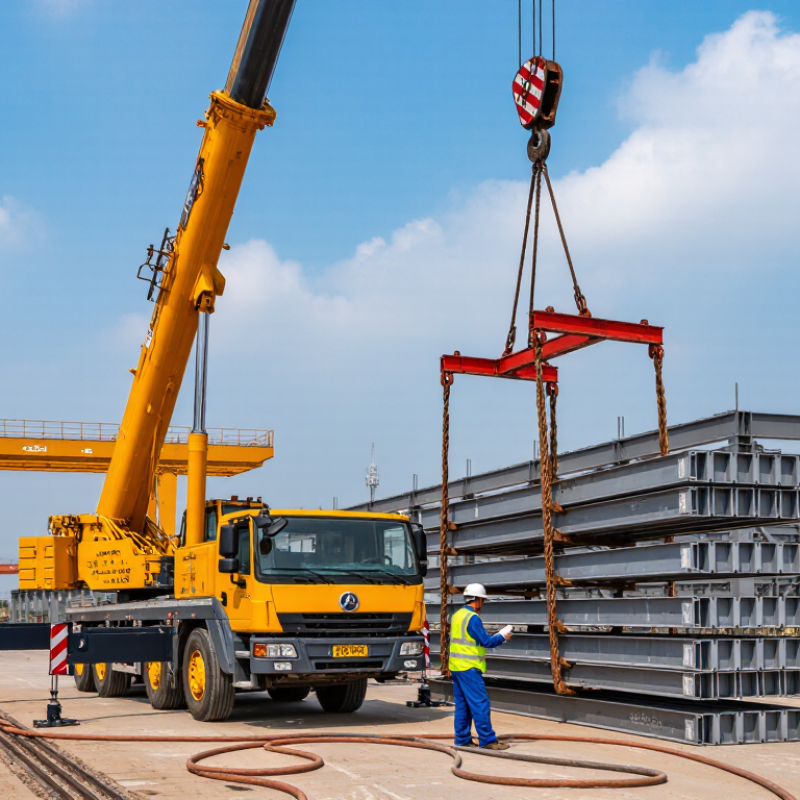
In China, “lifting equipment” covers machines designed to raise, lower, or move suspended loads. Common examples include overhead bridge cranes in factories, gantry cranes at ports, and tower or mobile cranes on construction sites. Electric wire-rope and chain hoists handle shorter lifts in workshops and warehouses. Forklifts are common too, but they are industrial trucks, not cranes; grouping them together can blur inspection and training needs. The boundary is not always tidy.
Grand View Research valued the global crane market at USD 33.6 billion in 2022 and projected 5.6% annual growth from 2023 to 2030. This is global context, not a China-only market estimate. In Chinese workplaces, equipment choice depends on load, lift height, travel path, and indoor or outdoor conditions. A bridge crane runs along elevated rails; a gantry crane stands on its own legs. Tower cranes serve tall building sites, while mobile cranes move between jobs. The categories sound clear on paper. Real sites mix tasks, and that deserves careful review. Operators should match the machine’s rated capacity to the load and lifting radius, not rely on appearance alone.
Ten Common Problems During Lifting Equipment Operation
Lifting incidents often begin with ordinary mistakes. Ten recurring problems include exceeding rated capacity, choosing unsuitable slings, skipping pre-use inspections, and setting equipment on unstable ground. Crews may also use unclear signals, pull loads sideways, allow loads to swing, or work with blocked sightlines. Strong wind and delayed maintenance add further risks. Small errors matter. A worn sling or soft patch of ground can change a routine lift quickly.
Tips: Check the load weight and equipment capacity before lifting. Inspect hooks, wire ropes, brakes, and slings for visible wear. Confirm firm, level support and agree on signals with the whole crew. Raise the load slightly first; pause if it tilts or swings. Follow equipment instructions and site procedures.
Even experienced crews can miss a warning when work feels familiar. Stop if the load shifts, communication fails, or weather changes. Do not compensate for an uncertain setup by pulling harder. A checklist helps, but it cannot replace sound judgment or trained operators. In practice, teams may rush a check; that is exactly when a second person’s review can catch a detail others overlook.
Common hazards to check during lifting operations, ranked by illustrative operational risk priority.
Scores are illustrative prioritization ratings (0–100), not measured incident rates or a statistical survey. Actual risks vary by equipment, task, site conditions, and control measures.
China Top 10 Common Lifting Equipment Operation Issues?
Typical Causes of Lifting Equipment Operating Problems
Lifting equipment problems often begin with small changes: slower movement, unusual vibration, or a load that drifts. These signs can point to wear, poor adjustment, or a developing fault. Small clues matter. Ignoring them may turn a minor issue into an unexpected stoppage.
Overloading is a common cause of strained motors, brakes, ropes, and hydraulic components. Loads that swing or sit off-centre also place uneven forces on the equipment. In practice, operators may misjudge a load’s weight or lifting points, especially when details are unclear. That assumption deserves a second look. Check load information and equipment limits before lifting.
Maintenance gaps can allow worn cables, loose fasteners, low hydraulic fluid, or damaged controls to go unnoticed. Dust, moisture, and temperature changes may also affect electrical connections and moving parts. Some faults are intermittent, so a quick visual check may not reveal the cause. Record unusual behaviour and inspection findings. If controls respond unpredictably or equipment makes a new sound, stop using it and have a qualified technician assess it. Poor communication, limited training, and rushed pre-use checks can contribute too; equipment is only as dependable as the habits surrounding it.
China Top 10 Common Lifting Equipment Operation Issues?
A lifting fault often appears as a small change: a brake that creeps, a frayed wire, or a hook latch that will not close. Check these points before each shift, and compare the equipment with its inspection records and rated-load chart. Listen for new grinding sounds. Watch for uneven drum winding, leaking hydraulics, or controls that respond slowly. Small clues matter. The U.S. Bureau of Labor Statistics recorded 5,283 fatal work injuries across all industries in 2023. This figure is not specific to lifting equipment, but it shows why routine hazard checks deserve attention (BLS, Census of Fatal Occupational Injuries, 2023).
If equipment behaves unexpectedly, stop the lift and keep people clear of the suspended load. Lower it only when that can be done safely; otherwise, secure the area and follow the site’s emergency procedure. Isolate faulty equipment from use, report the symptoms, and arrange assessment by a qualified person. Never bypass a limit switch or continue because the load “seems light.” Check the ground, outrigger setup, sling condition, and lifting angle before restarting. A checklist helps, but it can miss a fault that develops mid-shift. That is worth admitting. Record what happened, including sounds, load, and operating conditions, so the next inspection has useful evidence.
| No. | Common Issue | Warning Signs | Potential Hazard | Immediate Response | Preventive Controls |
|---|---|---|---|---|---|
| 1 | Overloading or incorrect load assessment | Load weight is unknown; the load chart or rated capacity is exceeded; an overload warning or limiter activates. | Structural failure, dropped load, equipment overturning, or damage to lifting components. | Stop the lift. Do not bypass an overload device. If it is safe and permitted, lower the load to a stable position; otherwise, secure the area and follow the site emergency procedure. | Confirm load weight and configuration before lifting. Check the equipment’s rated capacity and load chart for the actual operating conditions. |
| 2 | Damaged or unsuitable slings and rigging | Cut, frayed, kinked, stretched, corroded, or deformed components; illegible identification; unsuitable sling angle or attachment point. | Rigging failure, load shift, dropped objects, or serious injury to nearby workers. | Do not use suspect rigging. Keep people clear, lower or stabilize the load if this can be done safely, and remove damaged equipment from service for inspection. | Inspect rigging before use and at required intervals. Select rigging for the load, lifting method, attachment points, and applicable capacity limits. |
| 3 | Unstable load or poor load balance | The load tilts, rotates, slides, or shifts as tension is applied; the center of gravity is uncertain; attachments are uneven. | Load swing or sudden release, crushing injuries, and impact with structures or equipment. | Stop the lift and keep clear of the load. Set it down in a safe location if possible, then reassess the center of gravity and rigging arrangement before restarting. | Plan the lift, identify the center of gravity, use suitable lifting points, and conduct a controlled test lift where appropriate. |
| 4 | Defective brakes or uncontrolled load movement | Load creeps or descends after the control is released; braking is delayed; unusual movement or brake noise is observed. | Uncontrolled lowering, collision, dropped load, or entrapment. | Stop using the equipment and keep personnel outside the danger zone. Lower the load only if a competent person determines it can be done safely; isolate and report the fault. | Complete functional checks before operation and follow the planned inspection and maintenance schedule. Do not adjust or repair brakes unless authorized and competent. |
| 5 | Damaged wire rope, chain, hook, or lifting attachment | Broken wires, severe wear, corrosion, a twisted chain, a deformed hook, a damaged latch, or other rejection criteria under the applicable inspection standard. | Component failure and sudden load release. | Stop operation, keep people clear, and take the affected equipment out of service. Arrange inspection and repair or replacement by qualified personnel. | Carry out documented inspections at the required frequency. Use the applicable manufacturer guidance, inspection criteria, and local requirements. |
| 6 | Side pulling, snagging, or dragging a load | The hoist line is not aligned with the load; the load catches on an obstruction; the equipment or line deflects under tension. | Overloading, rope or rigging damage, load swing, or equipment instability. | Stop tensioning. Do not pull the load free by increasing force. Release tension only in a controlled manner and reposition the equipment or remove the obstruction using a safe method. | Keep the lifting line aligned with the load. Confirm the load is free to move and that the planned path is clear before lifting. |
| 7 | Collision, snagging, or uncontrolled load swing | The load contacts a structure; travel is obstructed; the load swings due to sudden motion, wind, or an abrupt stop. | Impact injuries, falling objects, damage to equipment, or loss of load control. | Stop movement and prevent access to the affected area. Allow the load to settle; do not try to stop a suspended load by hand. Resume only when the path and conditions are safe. | Plan the travel route, use controlled movements, maintain clear communication, and observe applicable wind and operating limits. |
| 8 | Electrical, hydraulic, or control-system fault | Controls respond unpredictably; there is fluid leakage, overheating, an electrical smell, a warning alarm, or intermittent operation. | Unexpected movement, electric shock, fire, pressure-related injury, or loss of lifting control. | Stop operation and isolate the equipment in accordance with site procedures. Keep clear of leaks and exposed electrical parts; report the fault for assessment by qualified personnel. | Inspect hoses, cables, controls, and warning indicators. Use appropriate energy-isolation procedures before maintenance; never defeat safety devices. |
| 9 | Incorrect signals or communication breakdown | Operator and signal person receive conflicting instructions; the signal person is not visible; radios fail or messages are unclear. | Unintended movement, collision, or a worker entering the load’s danger zone. | Stop movement when instructions are unclear or communication is lost. Restart only after the designated signal method and responsible signal person are confirmed. | Agree on standard signals before the lift. Assign a designated signal person and test communication equipment where used. |
| 10 | Unstable ground, incorrect setup, or nearby hazards | Outriggers or supports are not fully deployed as required; ground is soft or uneven; overhead power lines or underground services are nearby. | Equipment overturning, structural contact, ground collapse, or electrical contact. | Do not begin or continue the lift if setup is unsafe. Secure the area and reassess ground conditions, equipment configuration, clearances, and utility hazards. | Use a lift plan appropriate to the task. Check ground-bearing conditions, support requirements, equipment setup instructions, and required clearance from hazards. |
Safety note: Stop work when conditions are uncertain. Follow the equipment manufacturer’s instructions, the site lift plan, applicable Chinese regulations and standards, and instructions from competent personnel. Never stand under a suspended load or bypass a safety device.
Inspection and Work Practices for Safer Lifting Operations
Many lifting incidents begin with small, visible problems: worn sling fibers, loose hooks, unreadable capacity markings, or leaking hydraulic lines. Overloading and uneven load balance can strain equipment before anyone notices. Poor hand signals, blocked sightlines, and rushed movements add risk. A load that swings just a little can strike nearby structures or workers. Small defects matter. Check equipment before each shift, and remove damaged gear from service until a qualified person assesses it. Confirm the load’s weight, lifting points, and equipment capacity before hoisting.
Good work practices matter as much as inspection. Keep people out from under suspended loads, move at a controlled speed, and never pull a load sideways unless the equipment and lift plan allow it. Recheck equipment after harsh use or a near miss. A checklist helps, but it cannot catch every changing site condition. Crews can still overlook details, so invite questions and make stopping work acceptable.
It includes machines that raise, lower, or move suspended loads. Examples include bridge cranes, gantry cranes, tower cranes, mobile cranes, and hoists.
No. Forklifts are industrial trucks, not cranes. Treating them as the same can blur inspection and training needs.
Consider the load, lift height, travel path, and indoor or outdoor conditions. Check rated capacity against the load and lifting radius. Appearance can mislead.
Watch for frayed wire, worn sling fibers, loose hooks, leaking hydraulics, or unreadable capacity markings. Listen for new grinding sounds. Small clues matter.
Stop the lift and keep people clear of the suspended load. Lower it only if this can be done safely; otherwise, secure the area and follow the site’s emergency procedure.
Remove it from use, report the symptoms, and arrange an assessment by a qualified person. Do not bypass limit switches or continue because a load seems light.
Confirm the load weight, lifting points, equipment capacity, sling condition, ground, and outrigger setup. Raise the load a few inches, then pause to check balance and brake response.
Keep the area clear and people away from suspended loads. Use one signal person, move at a controlled speed, and stop if communication fails or conditions change. A checklist helps, but it can miss faults that develop mid-shift.
This article examines the main types of lifting equipment used in China and the role they play in moving loads across different work settings. It outlines ten common operational problems, including unusual noise, unstable movement, inaccurate controls, worn components, overloading, and unexpected shutdowns. By explaining how these issues can develop, the article helps readers understand what are common issues in lifting equipment operation and why they should be addressed before they affect people, loads, or work schedules.
The article also describes practical ways to spot hazards and respond when equipment shows signs of a fault. Clear pre-use checks, routine maintenance, proper load assessment, trained operation, and communication among workers can reduce avoidable risks. When a problem occurs, stopping work, securing the load when safe to do so, and reporting the fault for inspection are sensible first steps. Together, these practices support safer, more reliable lifting operations.

Anugenix Lift